

 ×
×

Some culinary stories read like fairy tales - except they are real. They travel through time, cross continents, survive wars and migrations, and, miraculously, find their way back home.
The story of melonpan is one of them. And this winter, it added a new chapter.
Continuous learning lies at the heart of Maison Marom. The group of companies believes that every craft advances when it engages with new cultures, innovative techniques, and diverse creative perspectives. This is why, last month, Maison Marom’s pastry chef Artur Gevorgyan traveled to Tokyo to participate in a master class led by a chef who unites Japanese and European traditions in a distinctly contemporary way. The experience allowed him to explore new textures, refine original recipes, and expand his understanding of pastry as a craft, while connecting with chefs from around the world. Beyond the technical growth, the immersion offered a deeper understanding of Japanese culture -its discipline, its quiet precision, and its profound respect for detail -values that resonate deeply with Maison Marom’s philosophy of elevating craftsmanship through cultural exchange.
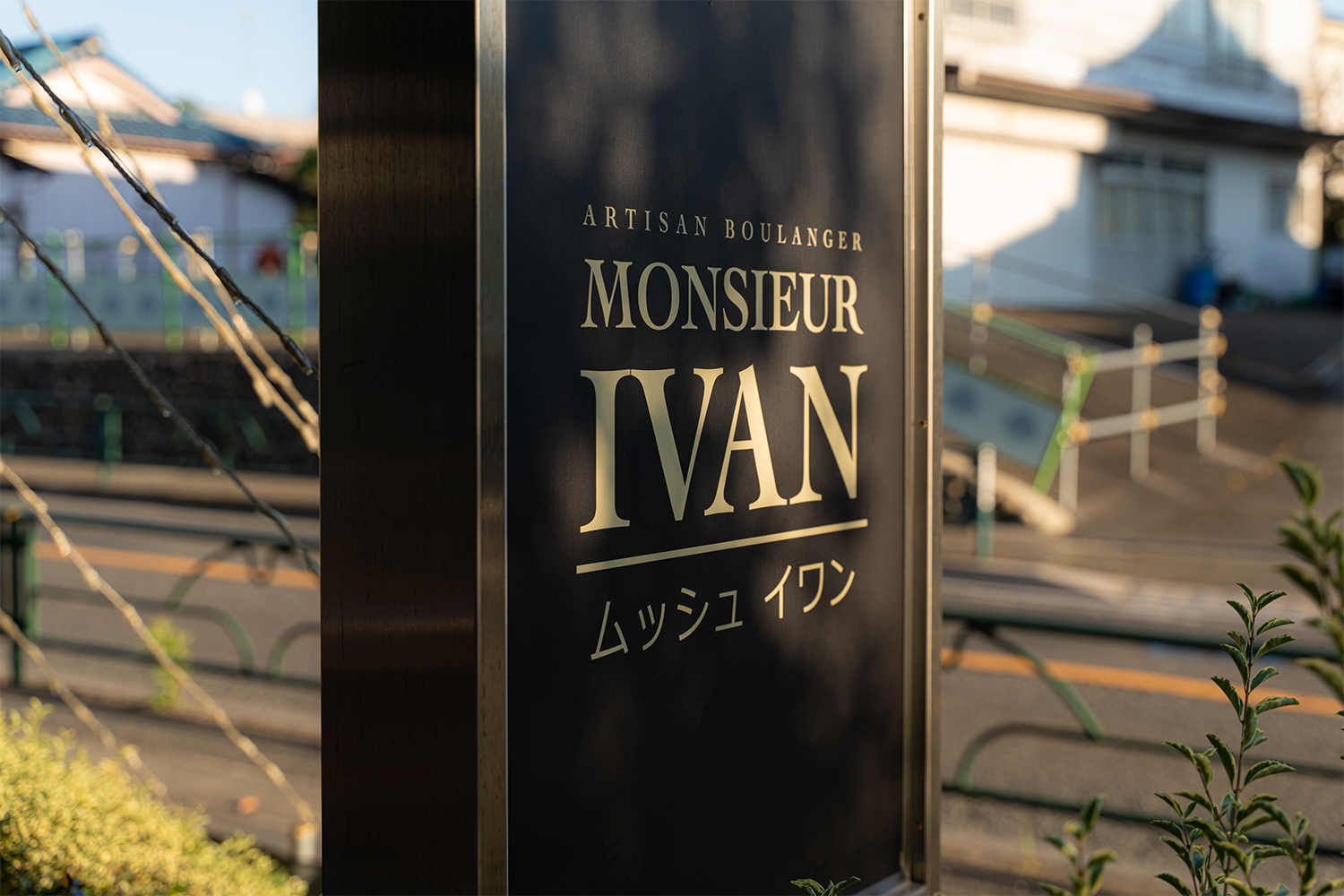
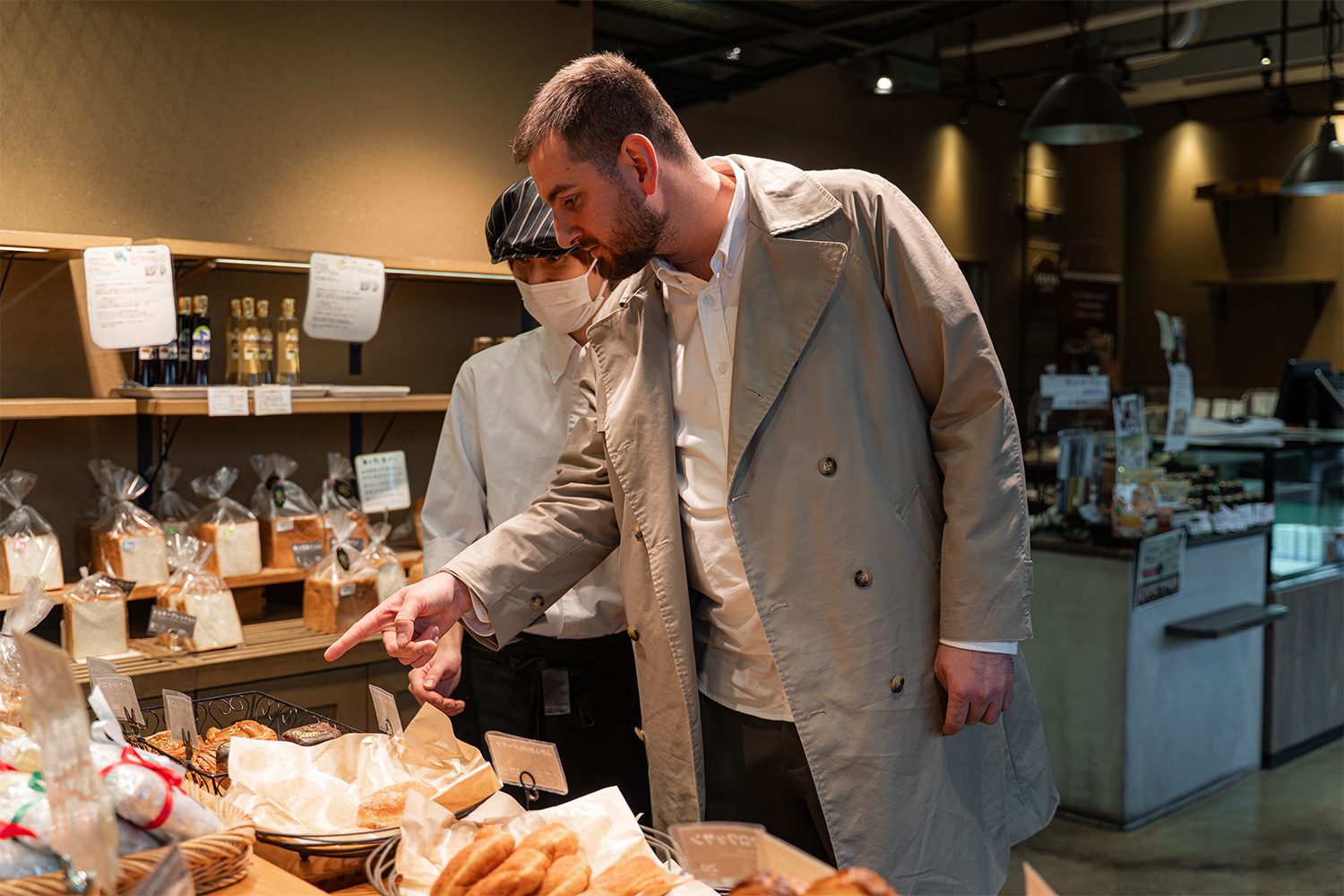
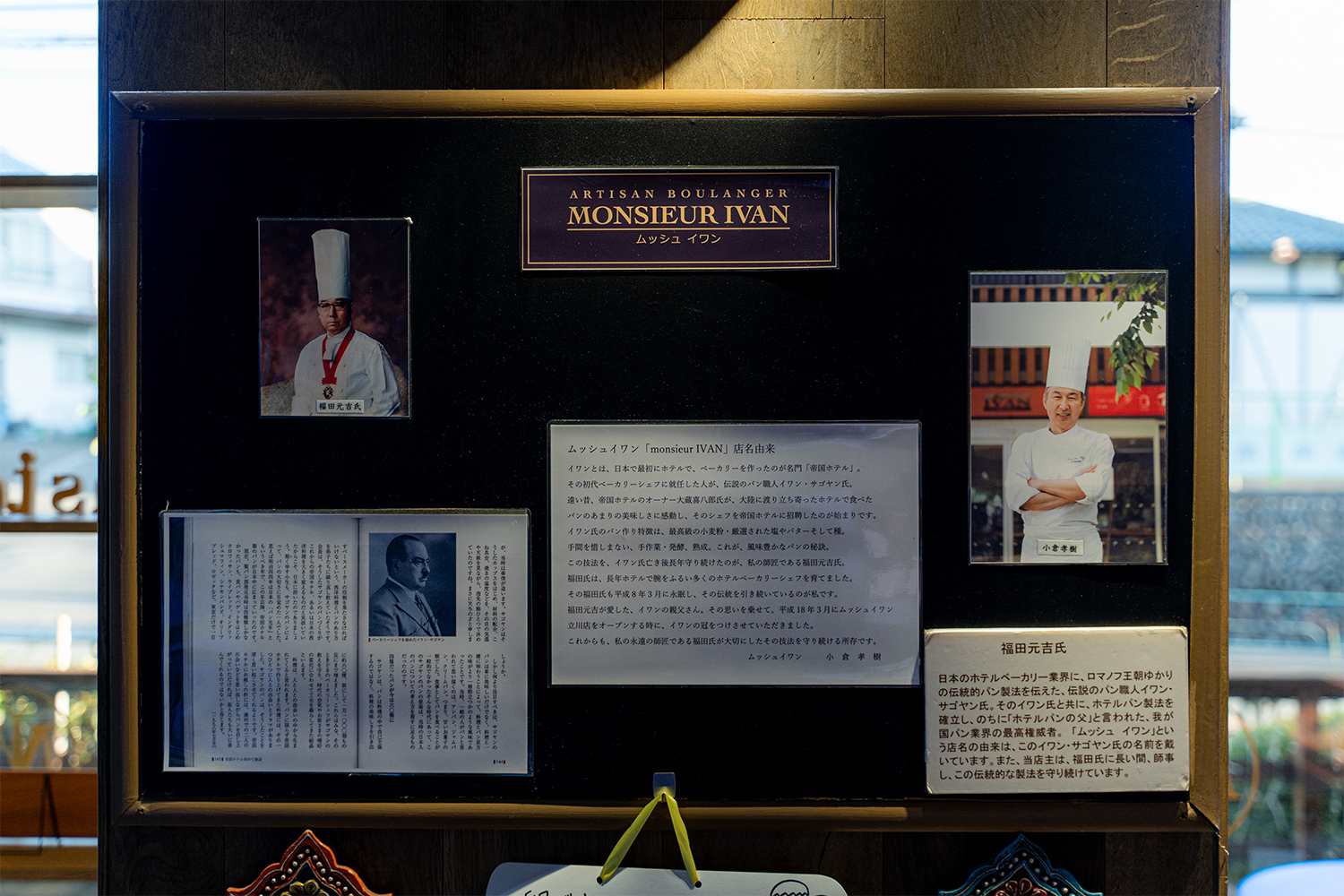
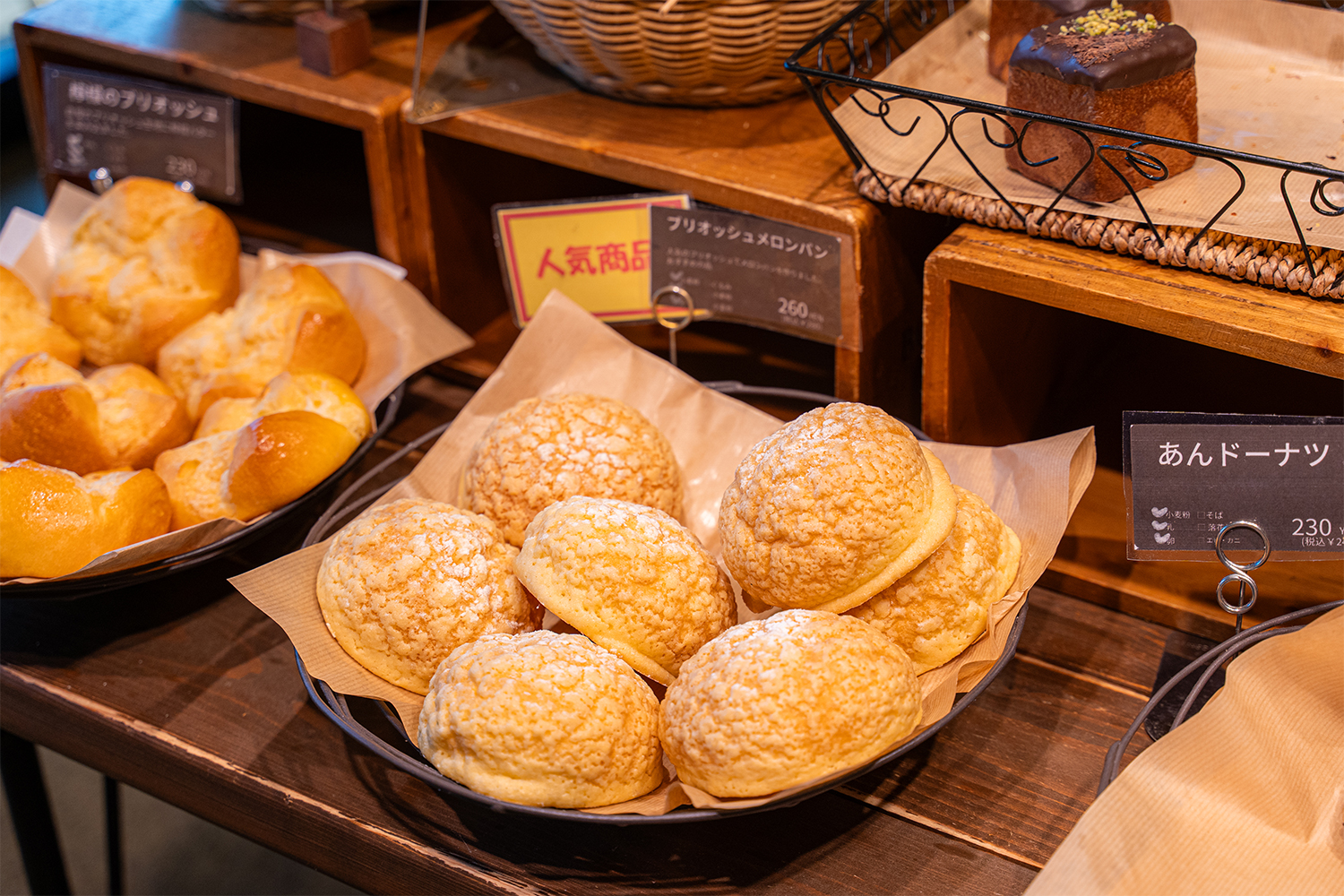
During this visit, Maison Marom also reconnected with a remarkable chapter of Armenian culinary heritage. At “Monsieur Ivan,” the warmly lit, aromatic boulangerie founded nearly a century ago by Armenian master baker Hovhannes (Ivan) Ghévénian, our team witnessed the birthplace of the iconic Japanese melonpan. It was here, in this quietly historic corner of Tokyo, that Armenian craftsmanship helped shape a pastry now beloved across Japan.
For Maison Marom and Artur, this space carries a special meaning. Observing the artisans, learning their rhythm, and stepping momentarily into a story that had travelled through time offered a profound reminder of how gastronomy connects people long before words ever do. This journey, both professional and cultural, became part of a larger narrative - one where technique, heritage, and discovery are inseparable.
And now, this story can be tasted in Yerevan.
The legendary melonpans are available at Rien-à-Porter space (Pushkin 35), allowing this extraordinary journey to continue, one bite at a time.
By bringing melonpan home, Maison Marom is not simply reviving a recipe; the team is consciously paying tribute to the heritage carried by Armenian artisans across borders. Maison Marom honours the quiet work of those who preserved their craft in foreign lands, turning personal histories into cultural legacies. Offering melonpan in Yerevan is their way of acknowledging that lineage, safeguarding it, and ensuring that this Armenian contribution to world gastronomy continues to live, evolve, and inspire -now enriched by new knowledge, new encounters, and a renewed commitment to craftsmanship.
A Story Baked Into History
When people in Tokyo reach for their favourite sweet bun - soft inside, crisp outside -few imagine that its roots stretch far beyond Japan, all the way to the Armenian city of Karin (Erzurum). Even fewer know that the pastry carries within it the experience of migration, resilience, and the creative spirit of an Armenian craftsman who remade his life in distant lands.
Hovhannes (Ivan) Ghévénian opened his own bakery, Monsieur Ivan, in Tokyo. And inside that bakery, he created what would become one of Japan’s most iconic confections: melonpan.
Originally called pain melon in French, the bun had no melon flavour - just its signature cracked cookie crust. Over tim,e it evolved into countless forms: chocolate-filled, cream-filled, melon-flavoured. But the heart of the recipe remained unchanged, connecting Japanese refinement with Armenian craftsmanship.
Melonpan became a symbol of cultural fusion, a pastry that belonged to everyone and to no single nation.
The Symbolism of Melonpan
At Maison Marom, we see melonpan not merely as a sweet pastry but as a story that embodies everything we stand for. It illustrates how identity survives seas and generations, how food becomes a language of belonging, and how heritage can silently shape entire culinary cultures.
Melonpan is an immigrant’s story - soft-hearted, resilient, layered with memory.
A Dialogue Across Time - Continued
When Maison Marom’s team visited Monsieur Ivan’s bakery, they stepped into a moment suspended between two eras, two generations, and two countries.
It was a meeting across decades. A reminder that heritage can be fragrant, warm, living, and rediscovered.
And as visitors in Yerevan take their first bite of melonpan at Rien-à-Porter, they become part of this story too. They taste not only a pastry, but an inheritance - an Armenian imprint that once shaped Japanese culinary culture and now returns home transformed yet familiar.
At Maison Marom, where our mission is to turn business into cultural heritage, moments like this reaffirm why we do what we do. Gastronomy can preserve memory. It can reconnect worlds. It can bring stories home.
A recipe can travel far - and sometimes, miraculously, it leads us back to each other.
Back in Yerevan
Back in Yerevan, this experience continues to shape our daily craft at Maison Marom. Each morning, as dough is kneaded and the delicate cookie crust is perfected, our kitchen carries the memory of that Tokyo visit - the precision, the modesty, and the devotion we witnessed. Every batch of melonpan baked by Maison Marom today is a tribute to a lineage that began nearly a century ago, a continuation of an unbroken dialogue between Armenia and Japan.
The activities of the Maison Marom group of companies span three core directions - fashion, gastronomy, art and culture - as well as the development of a comprehensive lifestyle ecosystem.
Founded in Armenia yet operating with an international vision, Maison Marom is committed to advancing the creative industries, promoting sustainable entrepreneurship, and shaping an open and dynamic cultural ecosystem.





Comments
Dear visitors, You can place your opinion on the material using your Facebook account. Please, be polite and follow our simple rules: you are not allowed to make off - topic comments, place advertisements, use abusive and filthy language. The editorial staff reserves the right to moderate and delete comments in case of breach of the rules.