


 ×
×


Armenians love Italian cuisine. And since pasta is one of its symbols, Armenians also love pasta very much. Yet, with so many pasta varieties, not everyone knows its specifics.
To fill that gap, GastroVino, in collaboration with Andaco, the exclusive representative of the Barilla brand in Armenia, will introduce one type of pasta each week.
We’ve already introduced linguine, and today it is fusilli’s turn.
Origin and history
Fusilli is one of the oldest types of pasta. It originated in southern Italy and, over the centuries, has been influenced by various cultures, including Arabic.
In Sicily, fusilli was known as busiata, and in Sardinia as busa. These names are linked to the Arabic word bus, meaning “rod” or “reed” – the tool around which dough was wrapped in the Middle East and Mediterranean region. This method is considered the prototype of fusilli’s twisted shape.
At the same time, the name fusillo has Neapolitan origins and derives from the word fuso – an iron tool with a square cross-section used to shape this pasta, similar to the tool traditionally used by weavers.
The technique of wrapping dough or spaghetti strands around an iron rod and then drying them was also common in various parts of southern Italy, giving rise to similar pasta types such as strossapreti, zufolitti, fishietti, and lombricelli.
Originally, fusilli in southern Italy were longer and thinner, while in northern and central regions they gradually evolved into a shorter pasta with a more pronounced spiral shape.

The fusilli we know today was “born” in 1924, when Italians Guido and Aurelio Tanzi, living in New York, patented a machine for producing fusilli.
Cooking options
Thanks to its twisted shape, fusilli holds sauces exceptionally well, allowing them to fully coat the pasta. This makes it one of the most suitable types for both light and rich, thick sauces. Italian actress Sophia Loren once said that “fusilli lovingly embraces the sauce.” Author Ian Fleming, creator of James Bond, was also a fan of fusilli for this very reason.
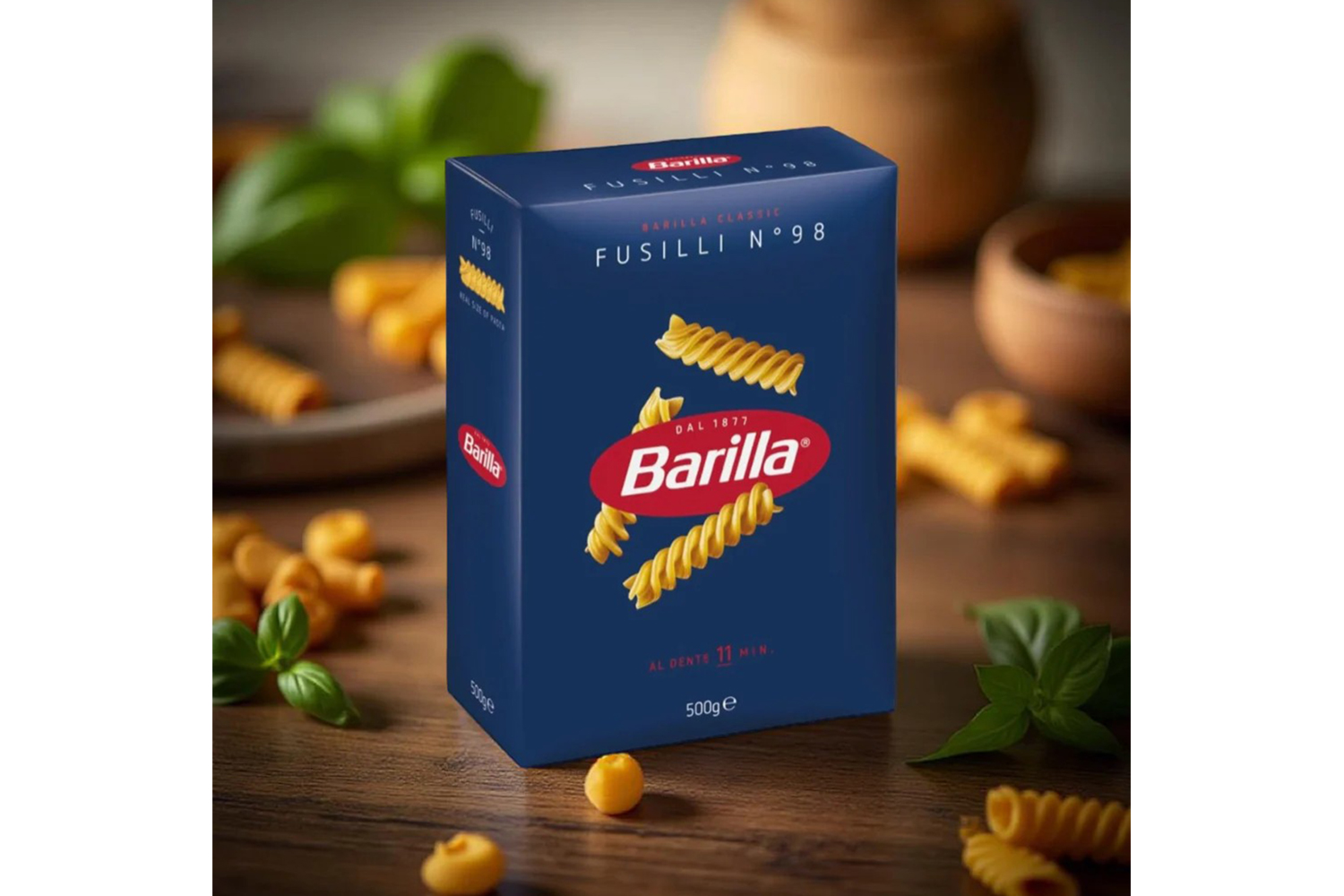
Some of the most popular dishes include Fusilli alla Sorrentina with tomatoes and melted mozzarella, the traditional Molise ragù with lamb, veal, and sausage, and the Sicilian classic Fusilli alla Norma with tomatoes and eggplant.
If you would like to make fusilli with tomato and vodka sauce at home, visit the Barilla website and check out the recipe:
https://www.barilla.com/en-au/recipe/all/fusilli-with-tomato-vodka-sauce








Comments
Dear visitors, You can place your opinion on the material using your Facebook account. Please, be polite and follow our simple rules: you are not allowed to make off - topic comments, place advertisements, use abusive and filthy language. The editorial staff reserves the right to moderate and delete comments in case of breach of the rules.