

 ×
×
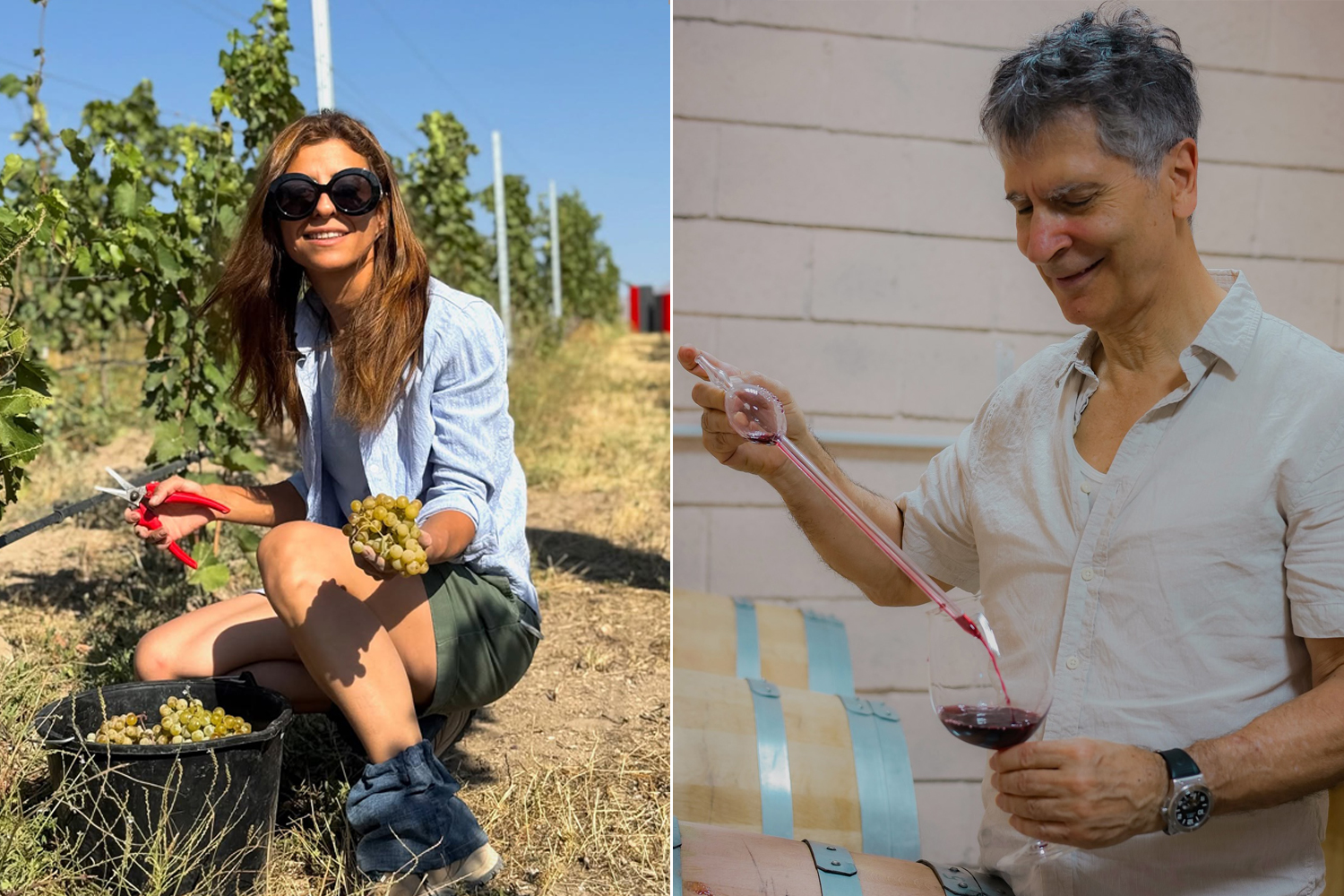

Not to drag the wine along and force it to become what you want, but to leave it free to shape itself and convey to wine lovers the story of the land, the terroir, and the character of a given year. This is precisely how Tufenkian Hospitality wines are created, carrying within them respect for nature and the Tufenkian principles of preserving culture and traditions.
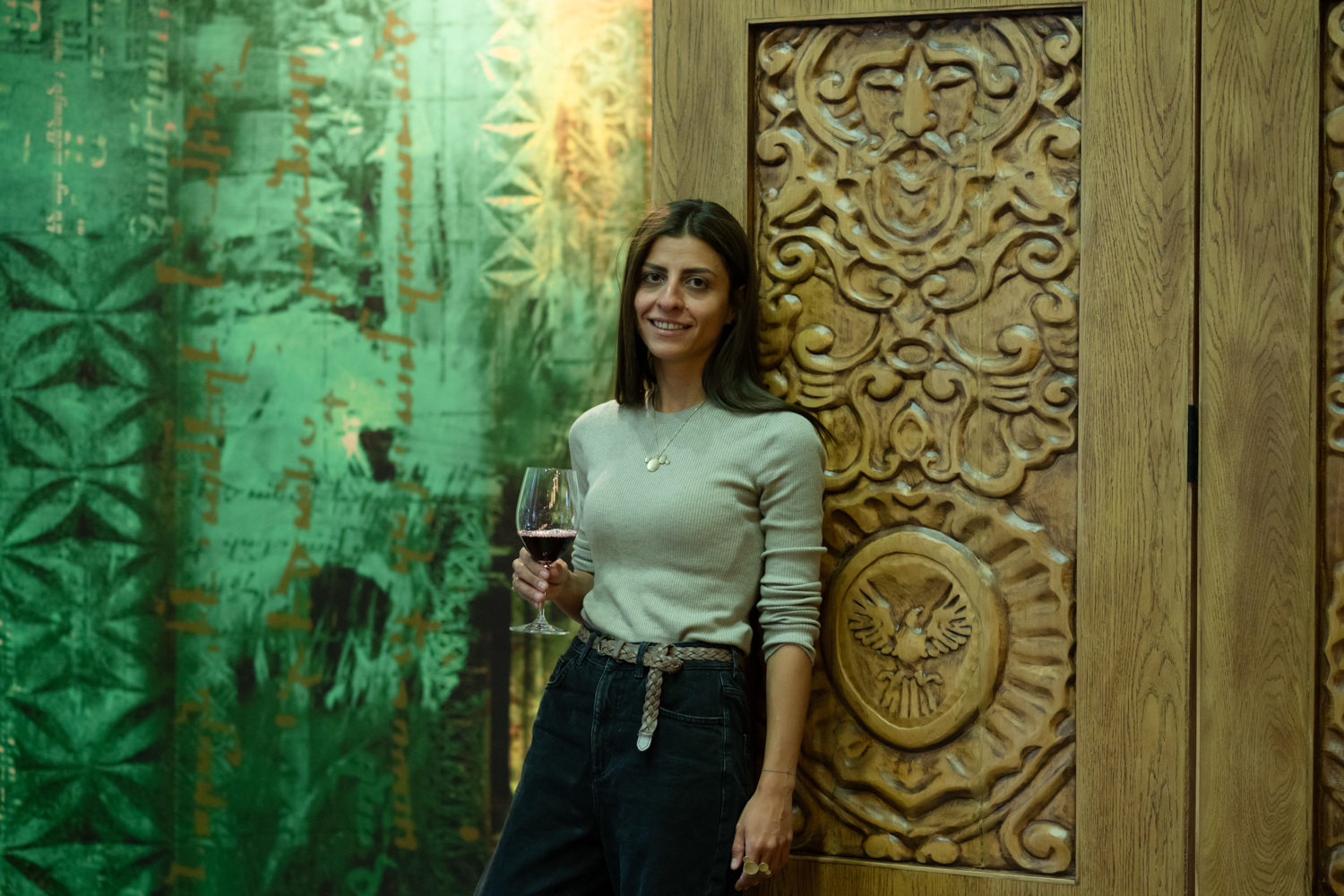
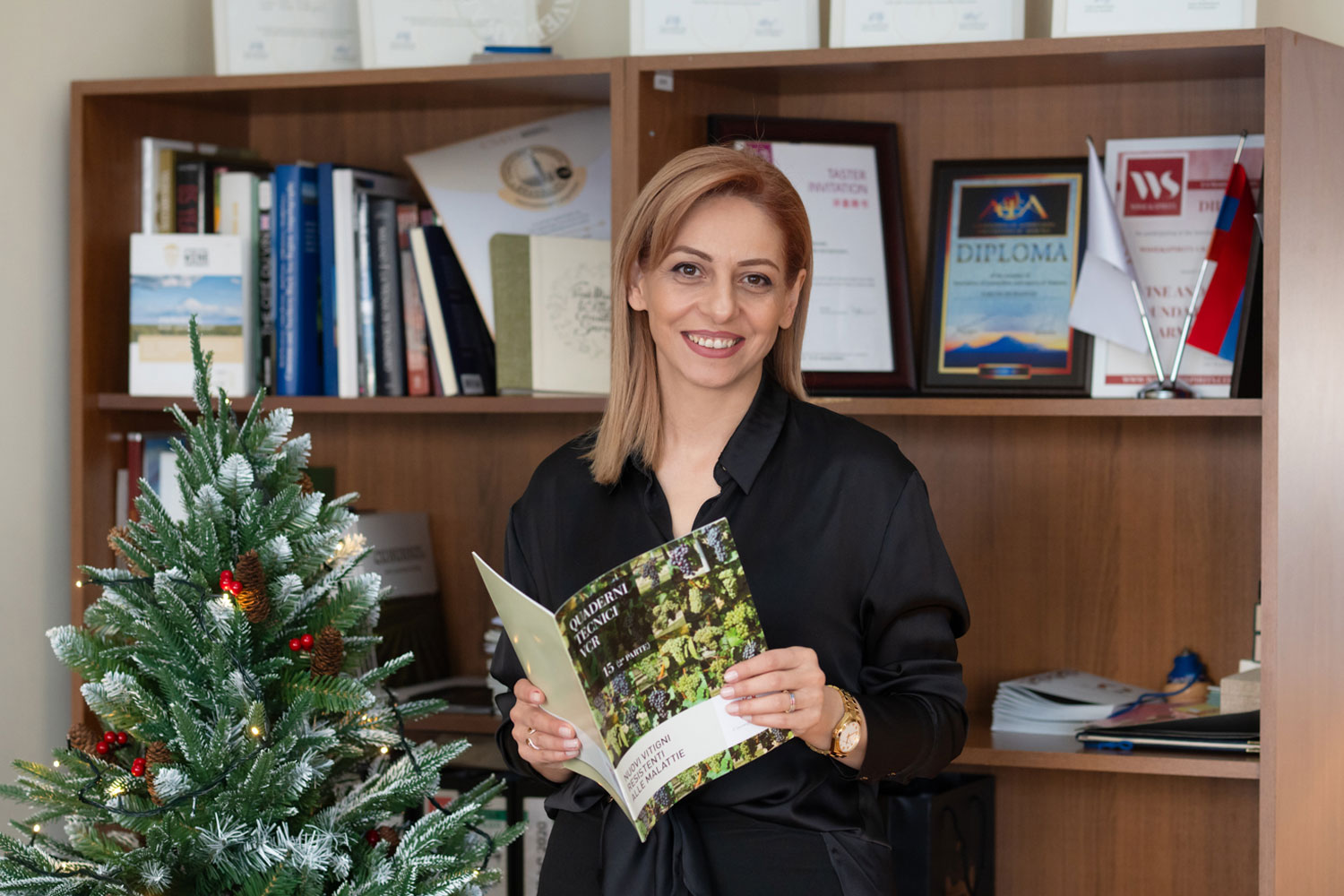
Zara Kechechyan, winemaker at Tufenkian Hospitality, spoke with GastroVino about these approaches, the ongoing project in Vayots Dzor, and the restoration of old vineyards.
Tufenkian’s cherished approach
There are two main approaches to winemaking. In the first case, you imagine the final wine in advance and take every step in that direction, starting in the vineyard with a precise “recipe.” The second approach, which is closer to our hearts, is to let the wine develop freely. This method also has its values: avoiding pesticides, maintaining soil health, and preserving the vitality of the vine, but the final result is never predetermined. At Tufenkian, they do not try to impose what the wine should be; instead, they “listen” to what the soil, the year, and the vine communicate, and convey that story to the bottle.
We make our wines from grapes grown both in our own vineyards and by partner farmers. Our collaboration begins at the start of the year, during the pruning phase, and we carefully select farmers who share our values year after year.
In our own vineyards, we cultivate certified organic and biodynamic grapes. Working with farmers using biodynamic methods can be more challenging, while our cooperation with organic growers is closer, involving regular visits, assessments of vineyard conditions, and guidance on when to spray, irrigate, or adjust the harvest.
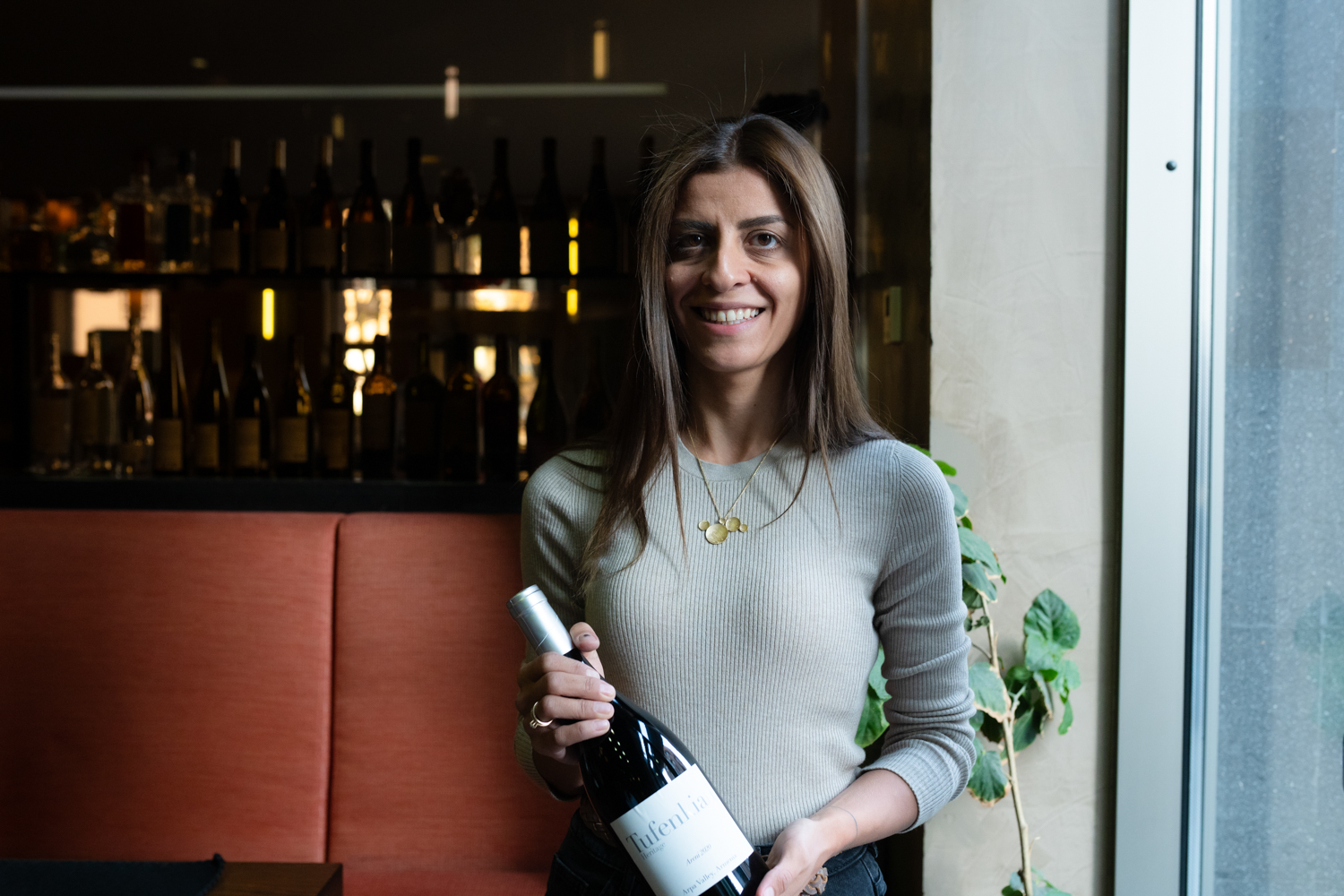
Zara Kechechyan | Image by: Mediamax
As a result, farmers’ grapes are purchased at a premium. Over time, this balance has shifted: while farmers’ grapes once made up the majority of our production, today our own vineyards provide the dominant share.
Vayots Dzor: The hotel, the gardens and the winery
Vayots Dzor entered Tufenkian’s agenda through the lens of hospitality and cultural revitalization. As a wine connoisseur, James Tufenkian naturally extended this interest to winemaking, seeing it as a field where local culture could be showcased and rejuvenated.
From this vision, the idea of building a hotel took shape around ten years ago. Today, the project is in its final stages of construction – a unique initiative not only for Vayots Dzor but for the entire region. The development also includes full winemaking infrastructure: vineyards, a winery, and a complete winemaking cycle.
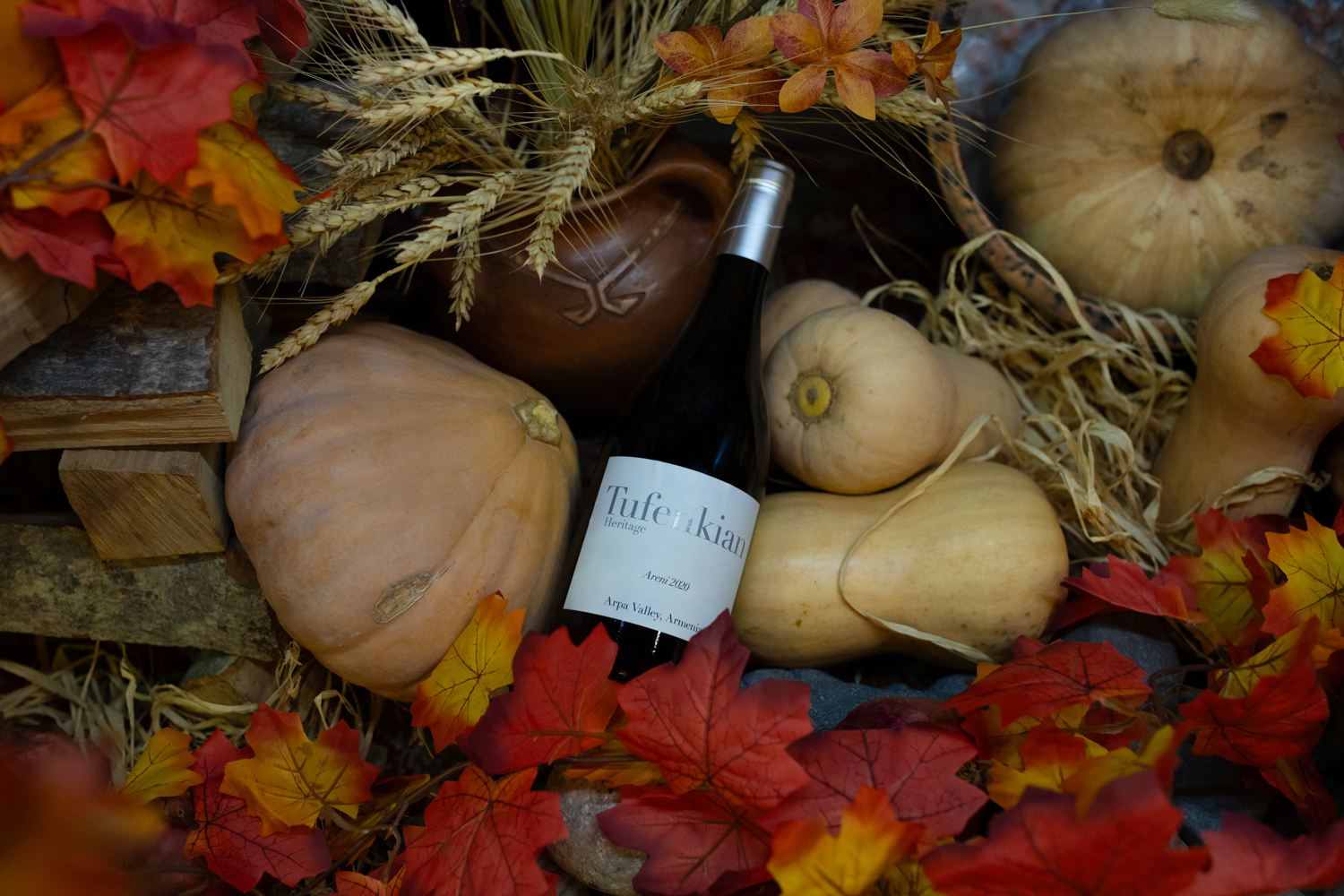
Image by: Mediamax
Vayots Dzor has its own particularity when it comes to vineyards: they are fragmented. To acquire or develop a relatively large area, separate plots must be collected over time and connected. Tufenkian undertook this process in 2020-2021, assembling approximately 28 hectares, of which 15 are planted vineyards and 2.5 hectares are restored old vineyards. The winery itself was built in 2022; prior to that, in 2019-2020, the wines were produced at WineWorks.
All of Tufenkian’s projects share the same core values: respecting nature, working with natural materials, preserving culture and craftsmanship, and presenting these traditions both in Armenia and abroad. The wine project also aims to support regional development, promote organic agriculture, biodiversity, and biodynamic practices, and follow the principles of natural winemaking. No filtration is used, and only minimal sulfur is added, resulting in wines with a more vibrant, “alive” character.
Chiva Resilience: A story of resilience
James Tufenkian’s vineyards are located in the village of Chiva, near Areni, close to the border. It is here that Chiva Resilience White and Chiva Resilience Red wines are produced. The vineyards had been neglected for years – some were destroyed and replanted, while others that had withstood the storm were carefully restored.
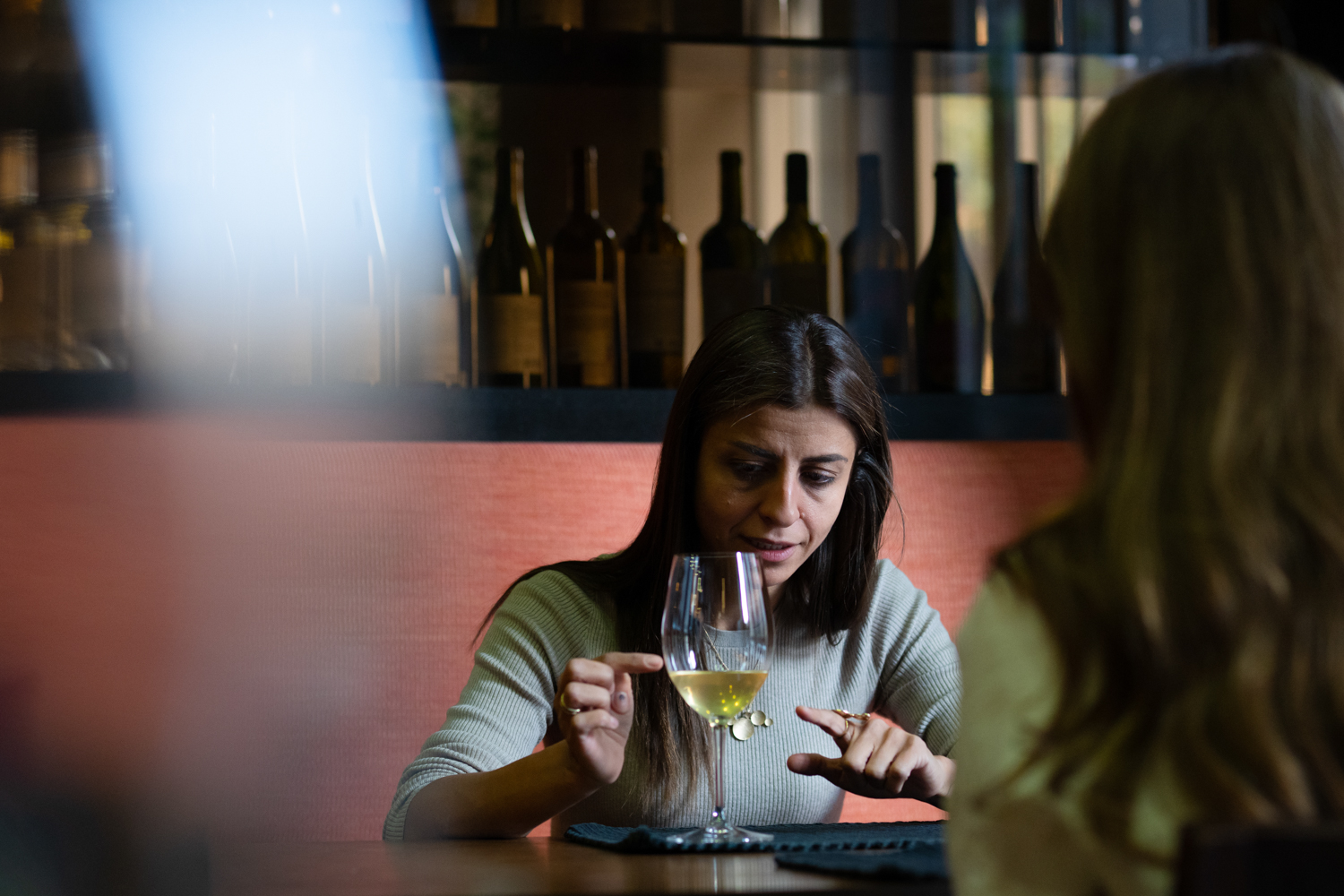
Image by: Mediamax
At the heart of this project is the concept of resilience. The vineyards survived years without care, and this endurance became a powerful parallel to the trials faced by our people in recent years. The wines were named with this spirit in mind. Yields were small at first – about one ton of grapes from 2.5 hectares in the first year, but today production has grown to 5-6 tons.
The vineyards are planted with a mix of white and red varieties. Although the grapes are harvested separately, the winery embraces the field blend concept, fermenting white and red varieties together. This approach reflects the terroir and reinforces the idea of unity, or being a “family.”
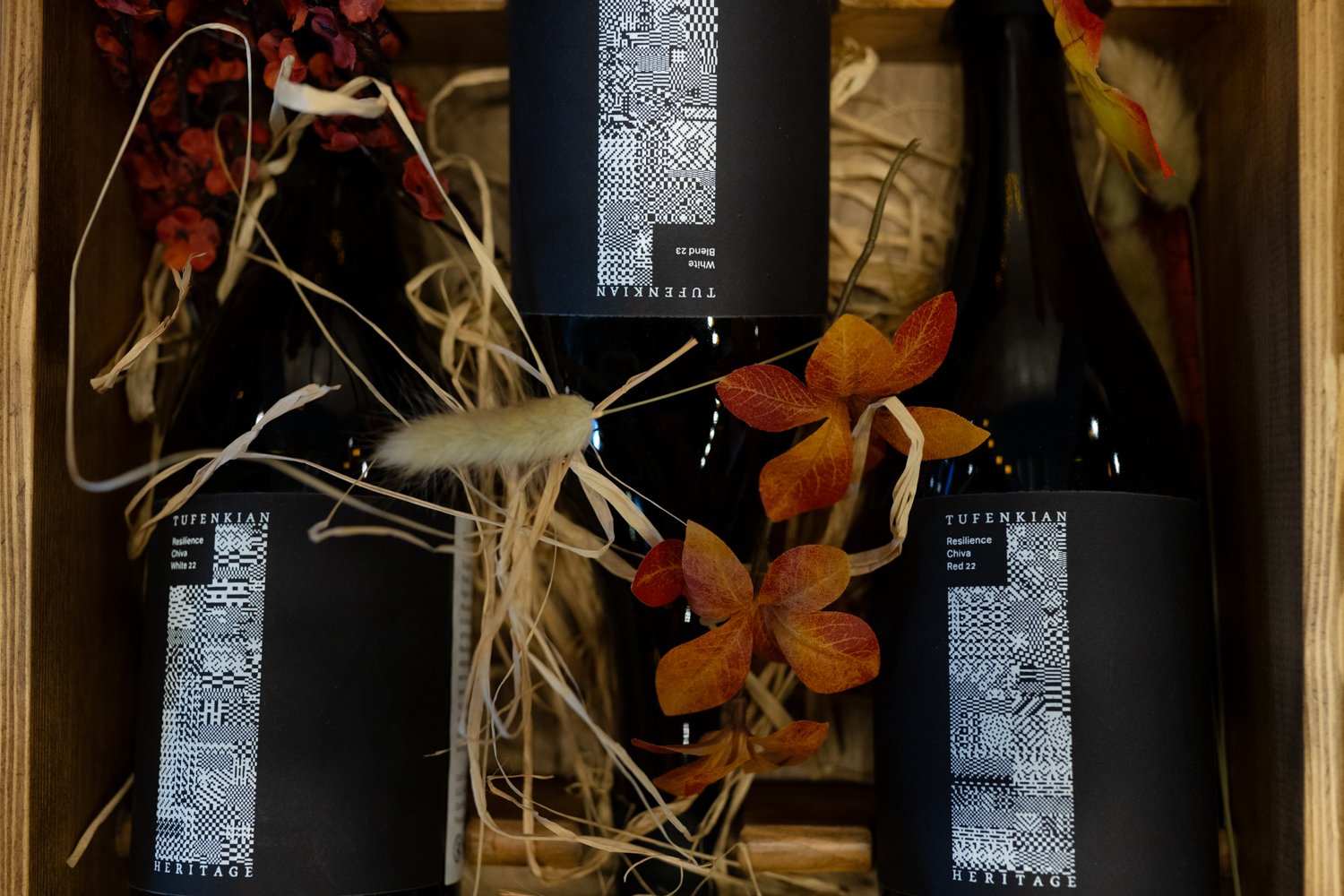
Image by: Mediamax
Chiva Resilience White is made from Voskehat, Khatun Kharji, and white Areni grapes. The wine undergoes skin contact, a natural winemaking technique that promotes fermentation without added yeast, enhances concentration, provides nitrogen for the yeast, and adds a subtle tannin structure. After fermentation, it is aged in Armenian and French barrels, resulting in a spicy, concentrated white wine.
Chiva Resilience Red is crafted from Areni and Tozot varieties, using whole clusters. In a warm climate, this technique helps preserve freshness and contributes floral and green notes. The wine displays an unusually dark color for Areni, a result of the small harvest, small berries, and minimal stirring during fermentation. On the palate and nose, it reveals ripe black fruits – black plums, cherries, cherry jam, alongside delicate floral aromatics.
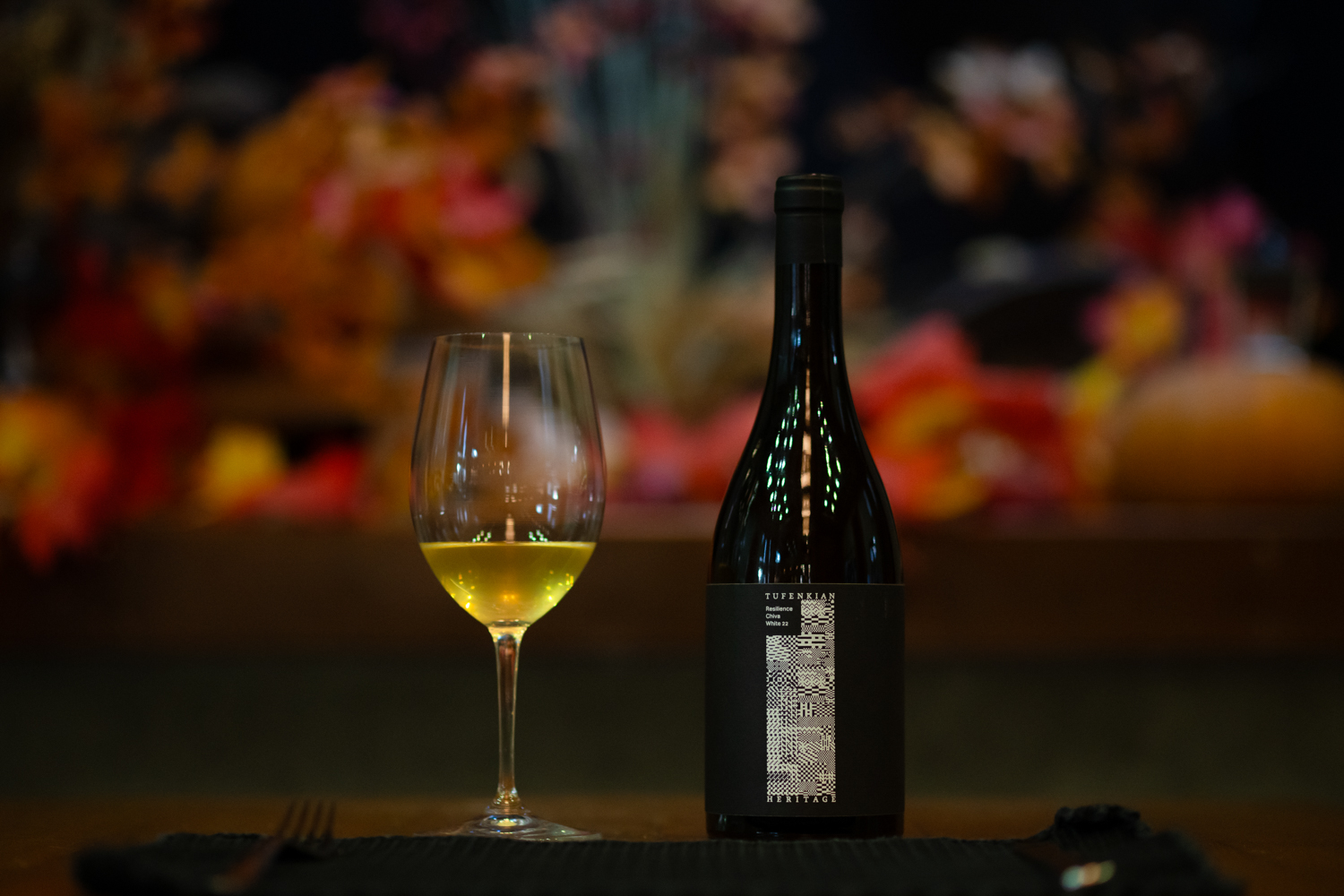
Image by: Mediamax
Both wines are gastronomic, they do not get “lost” alongside dishes and offer broad compatibility. The initial experiments took place in Tufenkian restaurants, paired with Armenian cuisine and desserts, as the first place where our wines meet tasters is within the restaurants of Tufenkian hotels.
Other wines, market and season
The third wine, White Blend 23, is made from grapes sourced from farmers in Aghavnadzor. It follows the same field blend concept as Chiva – using the same varieties plus Chilar – and is also a terroir blend, as the harvest comes from two distinct microterroirs.
Another wine is the 2020 Areni, produced using a more classic method, but without filtration or additives, and with only minimal sulfur. Often, the Areni serves as a “gateway” wine: while the other wines are more unique and may require explanation, the 2020 Areni is closer in style to typical Areni wines on the market, making it more immediately approachable. It is often the first wine introduced, before presenting the more distinctive offerings.
Production quantities have increased over the years: 2,000 bottles in 2019, 4,000 bottles in 2020, and now annual production reaches 15,000–20,000 bottles.
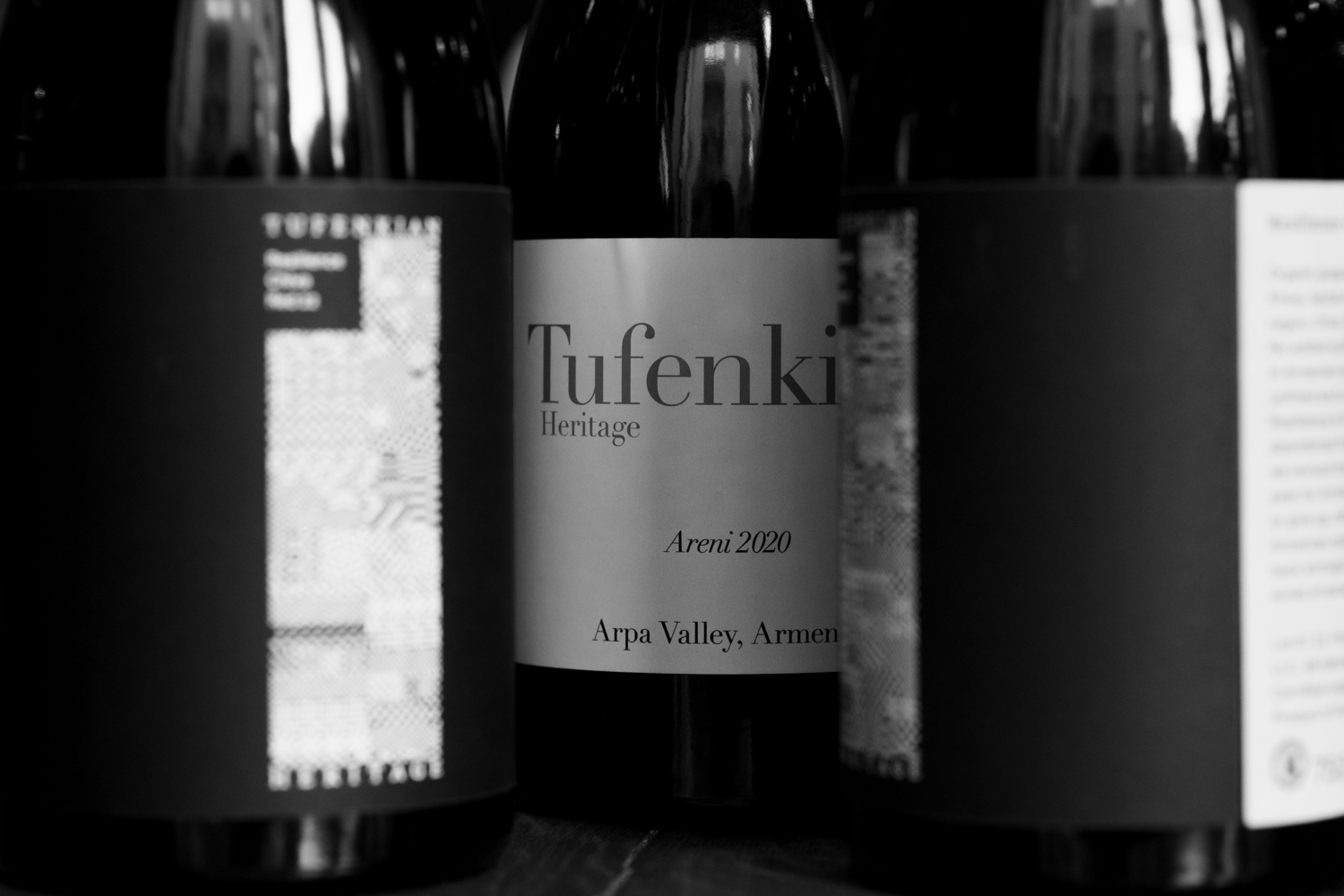
Image by: Mediamax
Our wines are sold in specialized stores and in approximately 70 restaurants across Yerevan and other regions. Ensuring that wine reaches the regions is important – here, the logic mirrors that of our hotel projects, as developing the local market is equally a priority.
In addition to the domestic market, our wines are also exported. Some are the same wines sold in Armenia, while others are produced specifically for export. For example, we work with grapes from the village of Khachik through local farmers, as we do not have our own vineyard there. The terroir is particularly interesting due to its altitude and limestone-rich soil.
Old Areni vines grow here, often producing small berries. This wine was exported to France, as we felt the harvest, while not unusual for Armenian consumers, would appeal to French tastes.
The fun part and the real risks
James Tufenkian calls the wine business a “Fun Business.” While winemaking is a serious and meticulous process, it also has its enjoyable aspects: tastings, experiments, and discoveries. Even before owning a winery and producing his own wines, Tufenkian was deeply involved in wine, including managing the wine lists of his hotel chain’s restaurants. These lists were thoughtfully curated, and wines often appeared on them through private tastings – even without notifying the producers. Today, the same approach continues: every year, a closed tasting with a group of around ten people is held to decide which wines will be featured in the restaurants.
Winemaking is inherently risky, particularly when vineyards are cultivated organically and with maximum respect for nature. Every stage of the process becomes crucial, as the goal is to deliver grapes to the bottle with minimal loss. This requires a fully controllable production chain. In this sense, the project remains relatively new and is steadily evolving.
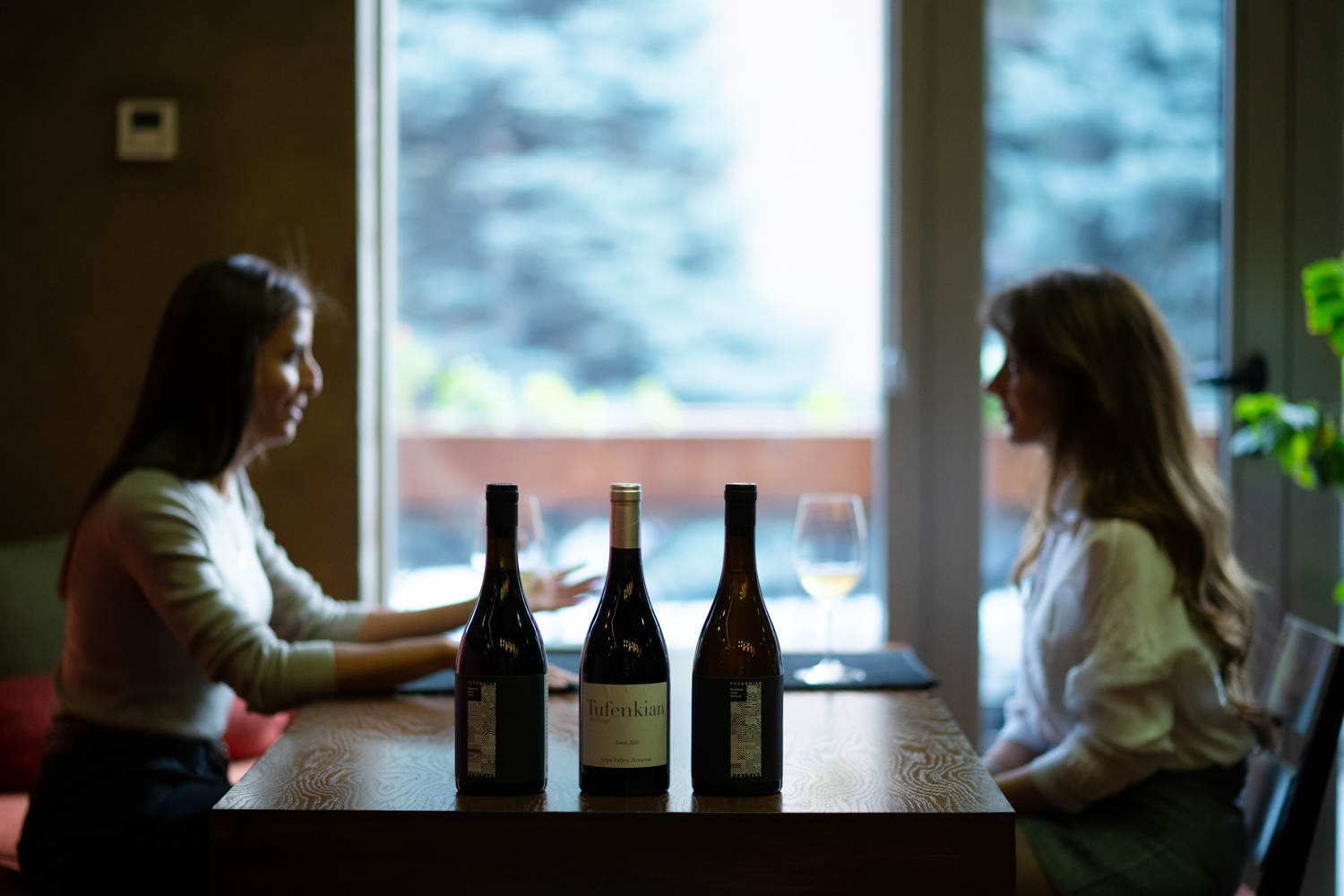
Image by: Mediamax
As a wine-growing year the 2025 began quite favorably, as our region faced no risk of frost or hail. Spring was rainy, bringing a high risk of vine diseases, while the summer was hot, and in August, the heat temporarily slowed the ripening of the grapes. Despite this, the harvest was nearly perfect - without precipitation - and the grapes were of high quality, although yields were slightly below expectations. This year was particularly significant because, for the first time, we worked with grapes from our newly planted vineyards, marking an important milestone for us. While the wines have not yet fully revealed their final character, their direction and potential are already clearly visible.
Ani Khchoyan
Photos by David Ghahramanyan





Comments
Dear visitors, You can place your opinion on the material using your Facebook account. Please, be polite and follow our simple rules: you are not allowed to make off - topic comments, place advertisements, use abusive and filthy language. The editorial staff reserves the right to moderate and delete comments in case of breach of the rules.