

 ×
×
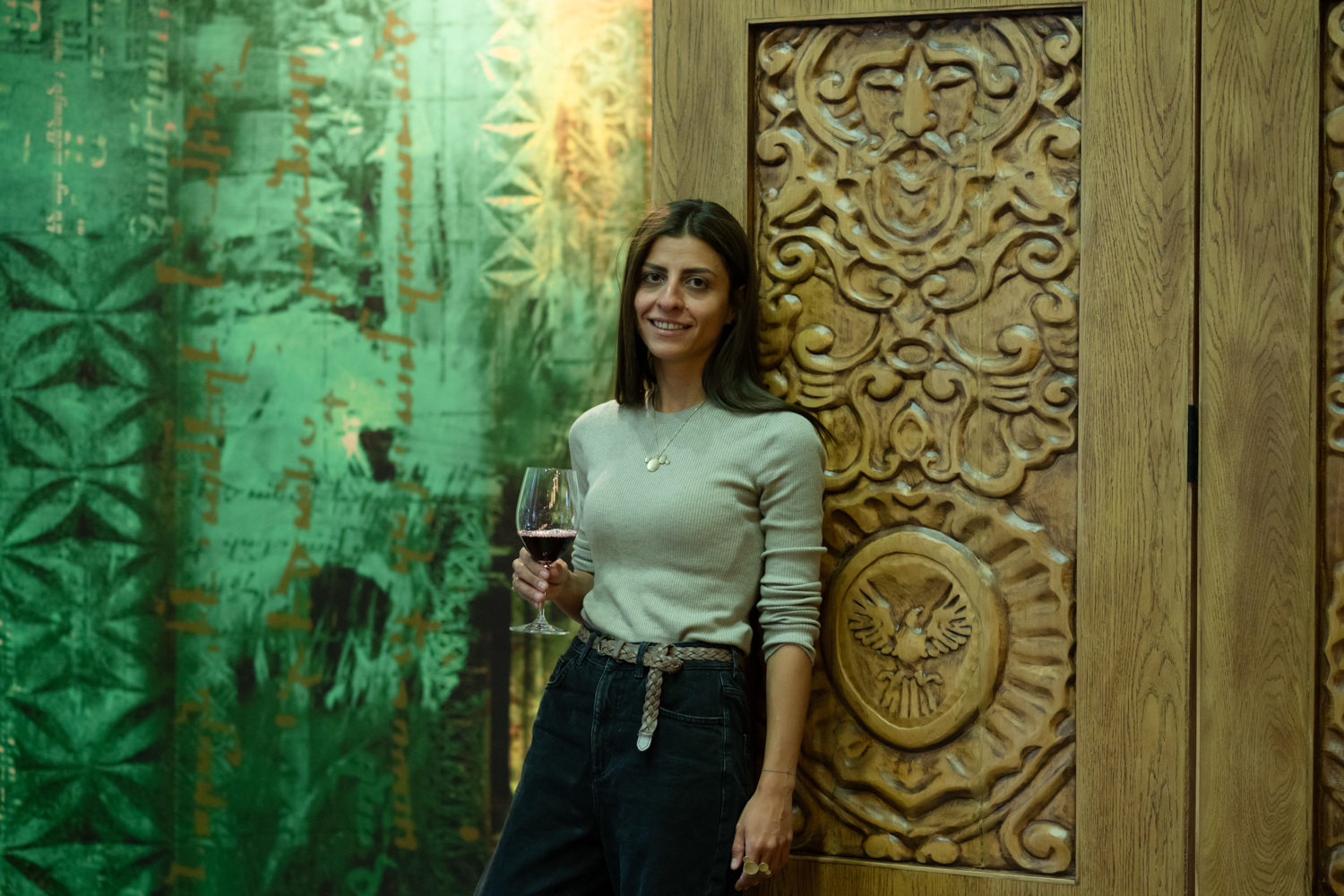

Although there are no doors in vineyards, winemaker Zara quite literally “entered” the world of wine through her kitchen door. Around 10 years ago, Zara, then a social psychologist, decided that it was time for a career change; she wanted a job that would produce tangible results. A brief professional detour into the kitchen led her to an entirely new world, one where the results of her work were not only tangible, but also enriched life with aromas and flavors.
Zara Kechechyan is a winemaker at Tufenkian Hospitality. In an interview with GastroVino, she reflected on how she first stepped into the world of wine, and shared how each winemaking season deepens her knowledge and adds new challenges to her work.
The door that led to the vineyards
Like many in the industry, passion led me to the world of wine, although the road was anything but smooth. I am a social psychologist and have worked in human resources for years before realizing that I wanted to do something different, and the kitchen became my creative playground. The kitchen and wine are closely connected, and once you fall in love with the kitchen, you begin pairing food with wines, exploring their variety. That’s how I found my way into the world of wine, “through” the kitchen.
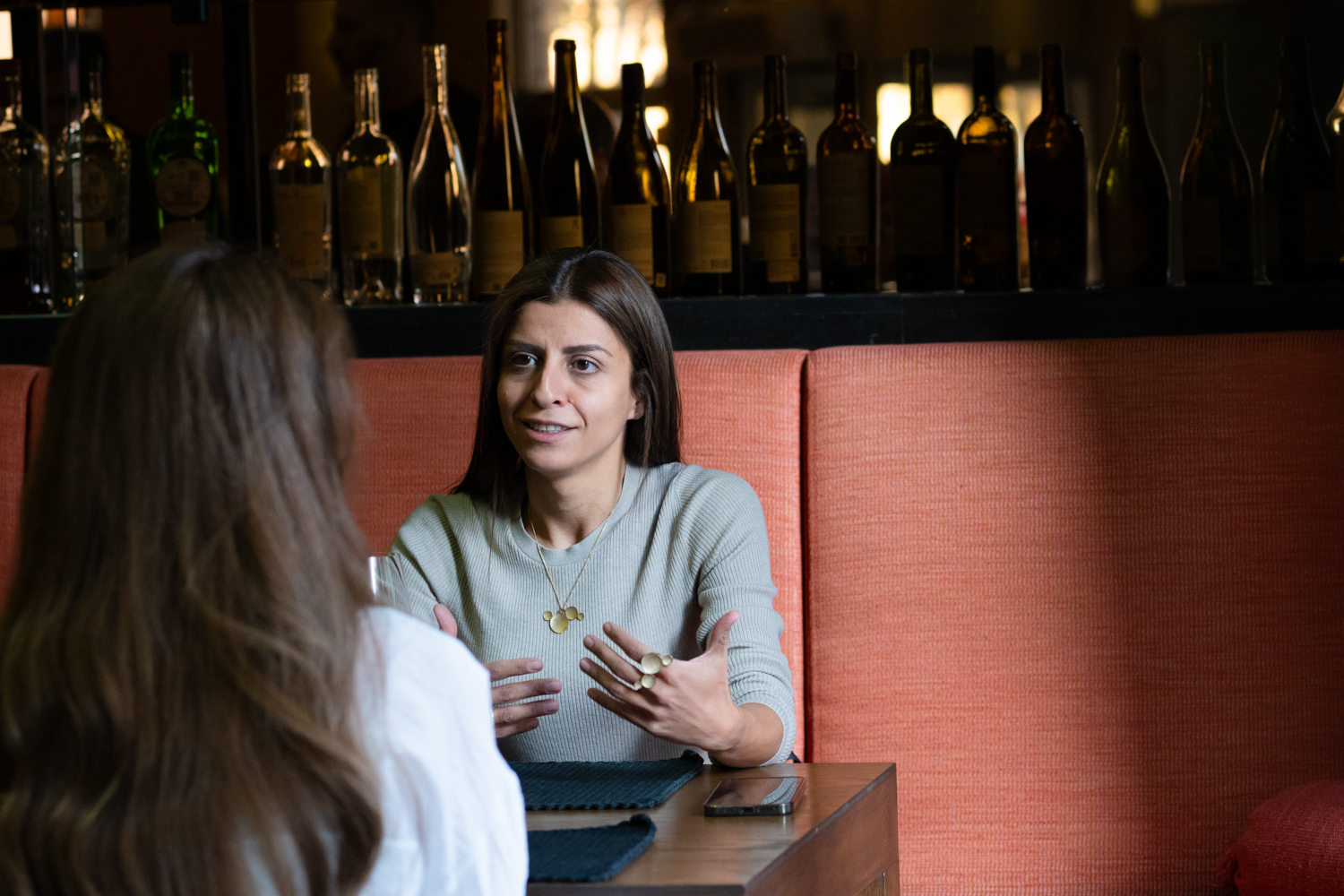
Zara Kechechyan
It was 2014, when the EVN Wine Academy first announced its courses. I knew almost nothing about wine at the time, I was a just an aspiring wine enthusiast, but I applied and was accepted. The experience was fascinating, and many of my fellow students, the first EVN graduates, are now quite active in the industry. When we were just starting out, none of us really knew where this path would lead us; we simply loved drinking wine. Back then, people who shared the same passion for winemaking were still few and far between.
Small experiments of a large winery
The deeper you delve into the world of wine, the more you realize how multifaceted it truly is. Wine offers endless opportunities to find your niche, whether it is viticulture, sales, marketing, sommelier or tasting. Once your find yours, there is an infinite world left to discover.
My decision to pursue winemaking was spontaneous. While studying at the academy, I started working at WineWorks, in an administrative role, and soon after I left for a project in Geisenheim. I hadn’t even returned yet when I already had two job offers. By then, I had completed one vintage in Argentina, and another season in Spain, and I realized that production was what actually fascinated me. Without those offers, I am not sure how my path would have turned out. They gave me an opportunity to go straight from education to hand-on work.
I returned and began working at Karas as a second winemaker. Working with wine carries a great deal of responsibility. It often seems that the most important work happens during the grape harvest, but in reality the work is continuous, starting in the vineyards and continuing in the winery. Every stage is important, from transporting the harvest or the wine that is being made, to bottling and anything else. Even the smallest mistake can ruin a good product and undo all the hard work people have done, from the vineyard up until now. The hardest thing about winemaking is the sense of responsibility.
Today, the wine industry is often showcased on social media through a glamorous lens, but it also has its difficult side: it requires hard physical work, especially if the winemaker is really involved in every stage. Working in the vineyards can be pleasant, but the roads leading to Armenian vineyards are a real adventure in themselves, and it is not like winemakers walk around the vineyards with a glass of wine all day (laughs - ed.).
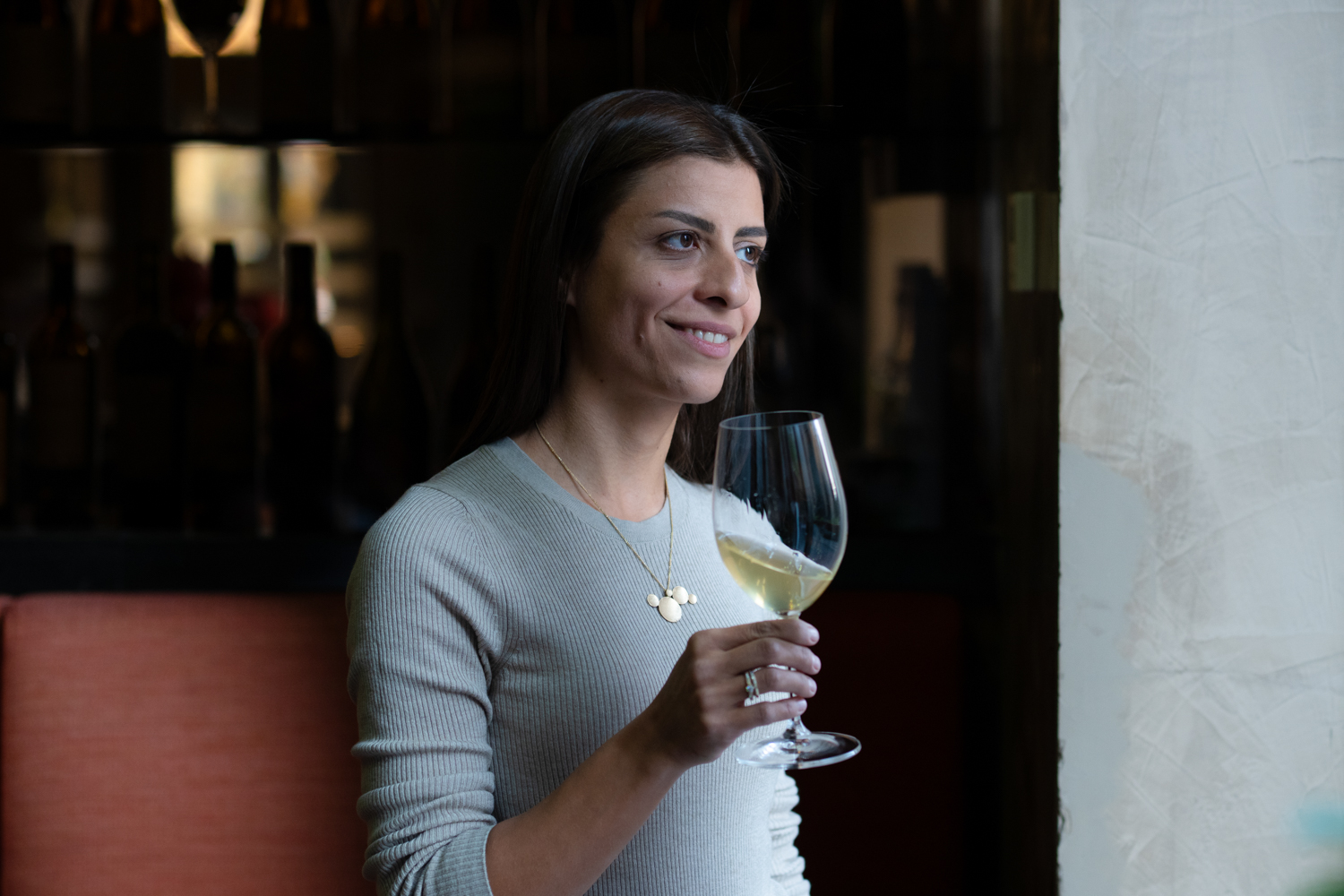
Zara Kechechyan
I have worked at Karas for over five years. It was a period of learning, both in terms of mastering production processes and personal growth. Winemakers often think of Karas as a traditional company, but “inside” there was an open atmosphere where new ideas were always discussed. I could read, learn new things about the vineyards, and offer suggestions. They were always appreciated.
A large winery provides room for small experiments. Experimenting with small quantities does not change anything for the overall production, but it opens great opportunities for specialists to grow, learn, and explore their interests. For me, having the possibility to experiment was an invaluable part of my development.
Step by step: from challenges to joy
The wine community is small, everyone knows each other which makes it easier to connect to people. It was through my colleagues in the industry that I met James Tufenkian.
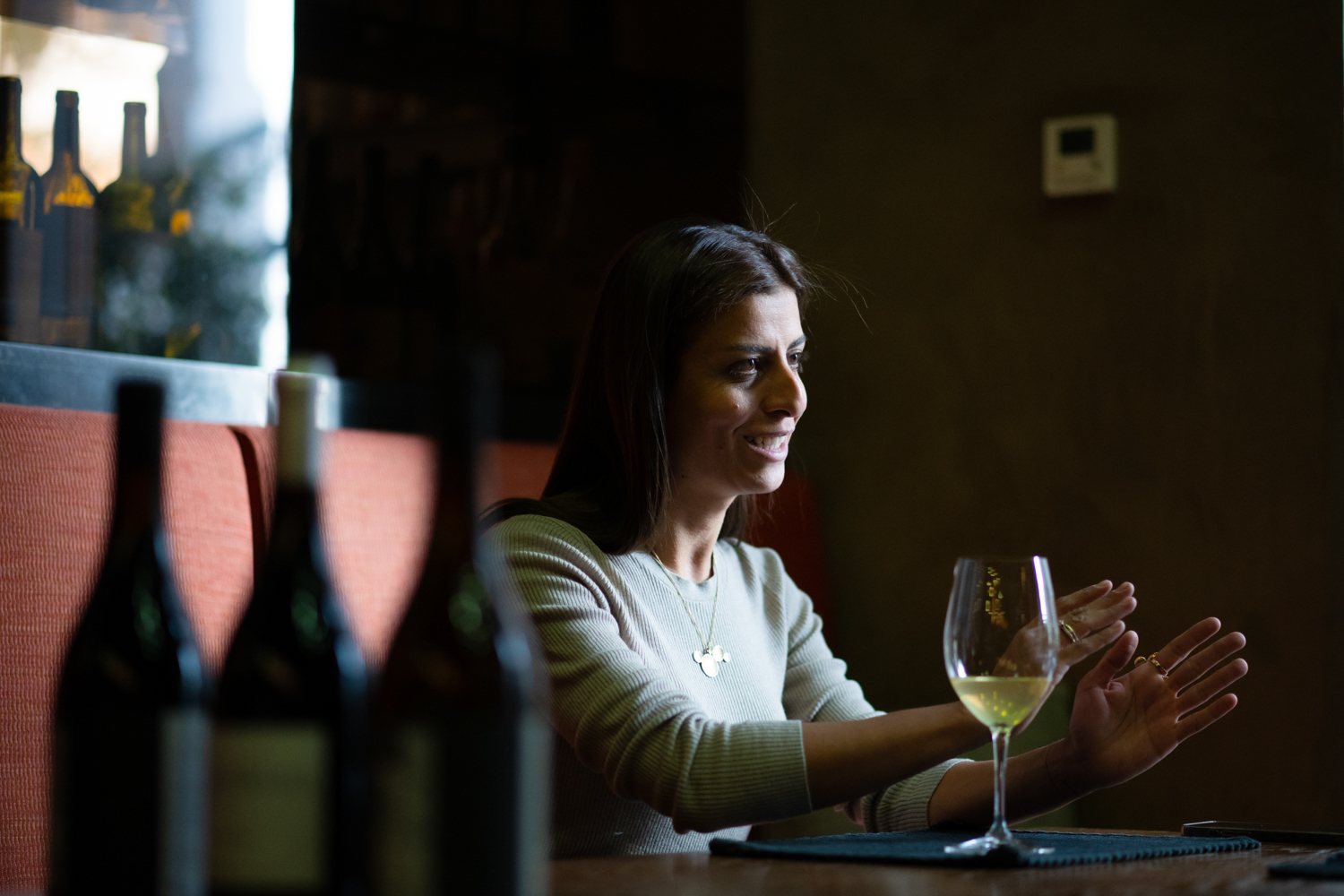
Zara Kechechyan
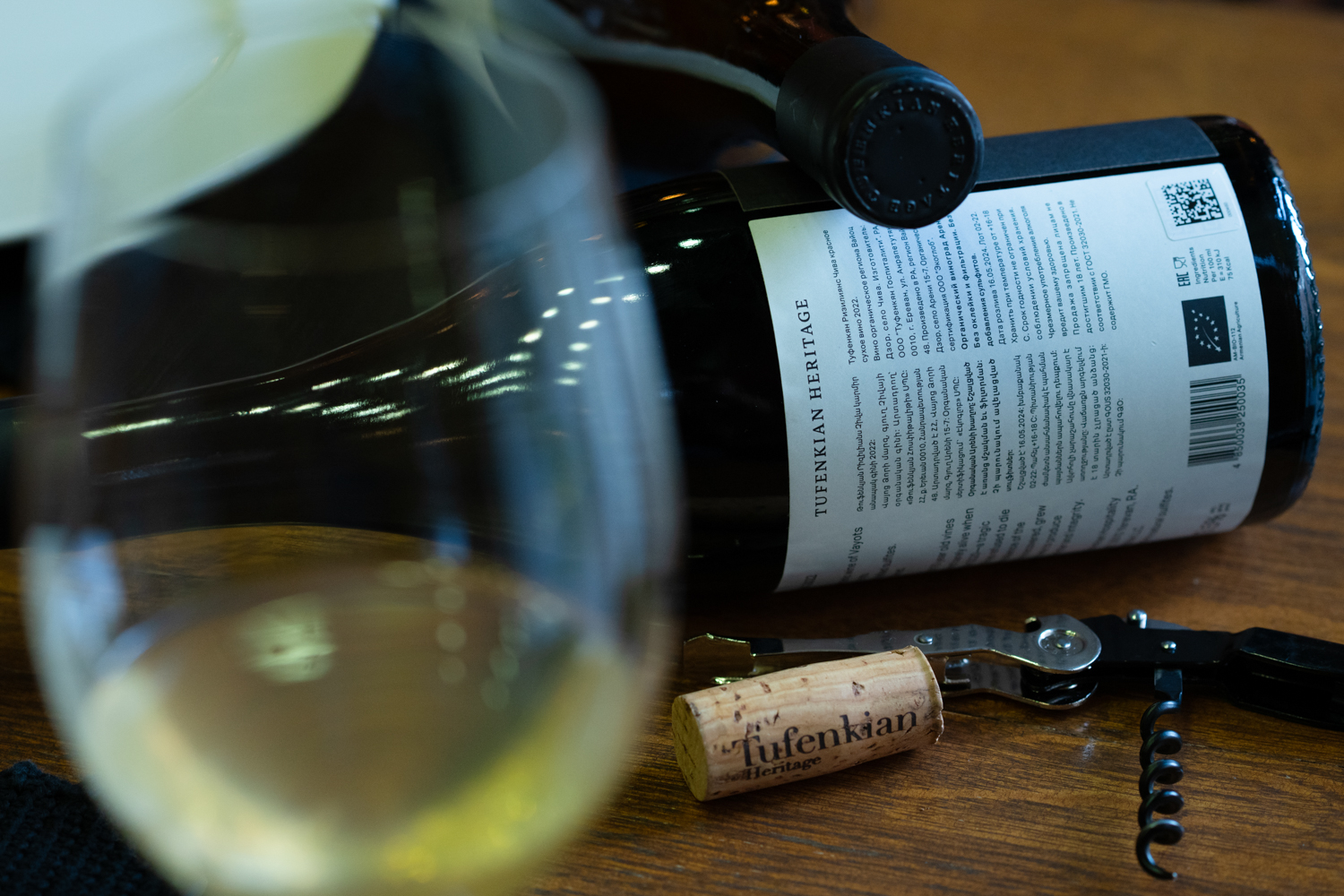
I have been working at Tufenkian since the winter of 2022. We produce biodynamic and organic wines. If I hadn’t experimented with natural fermentation at Karas, I might never have realized how deeply these approaches resonate with me.
I have completed four harvests in this project, and each one has been a unique challenge. Every winemaking year brings its challenges and joys. First, most of the year is spent in the vineyard, long before the harvest. And then, during the harvest, when the grapes are good, the moment of satisfaction arrives. This is the true joy of winemaking.
During the intense harvest period, we move to winemaking regions, where the atmosphere is truly captivating. I usually go to Areni, talk to like-minded people, fellow winemakers, and locals. Sharing a glass of wine at the end of a long day is one of the most enjoyable parts of this experience.
The more skilled you become at winemaking, the bigger the challenges you take on. Every year you strive to improve. At the same time, the work becomes harder: you control everything more closely and consider more factors. These can be practical, technical problems, for example, when the pump breaks at the worst possible moment, you often have to find a solution yourself.
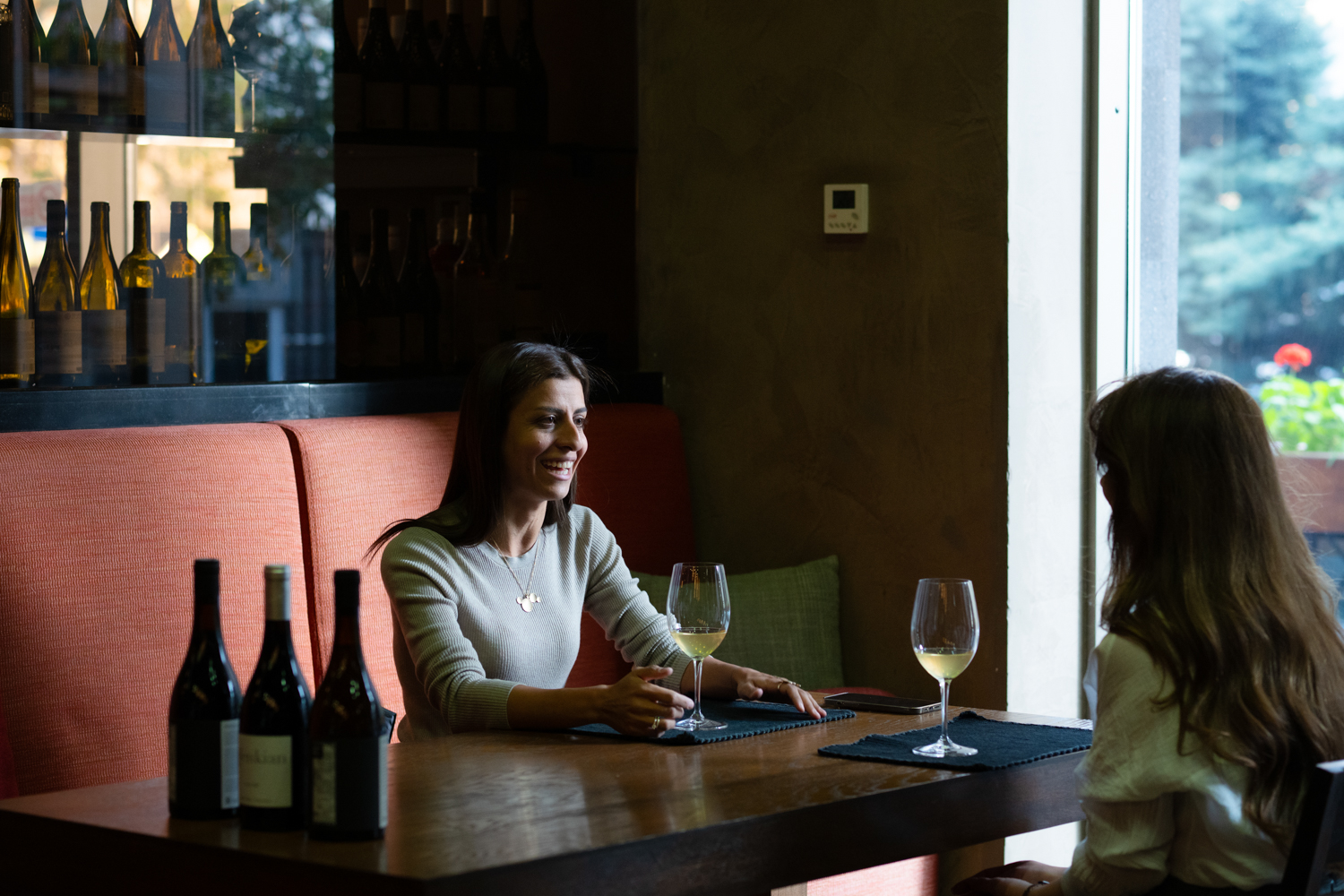
Zara Kechechyan
There is always something to learn in this industry. Perhaps at 80, when you have made 50 vintages or spent 50 years as a restaurant sommelier working with the world’s finest wines, you will be able to say you have fully mastered your craft. However, after 10 years in the industry, I realize I still have a lot to learn.
GastroVino also spoke with Zara Kechechyan about Tufenkian’s principles, its wines, old and new vineyards, natural winemaking, and the “respectful” approach to biodiversity and nature. The rest of the conversation will be published soon.
Ani Khchoyan
Photos: David Ghahramanyan





Comments
Dear visitors, You can place your opinion on the material using your Facebook account. Please, be polite and follow our simple rules: you are not allowed to make off - topic comments, place advertisements, use abusive and filthy language. The editorial staff reserves the right to moderate and delete comments in case of breach of the rules.