

 ×
×
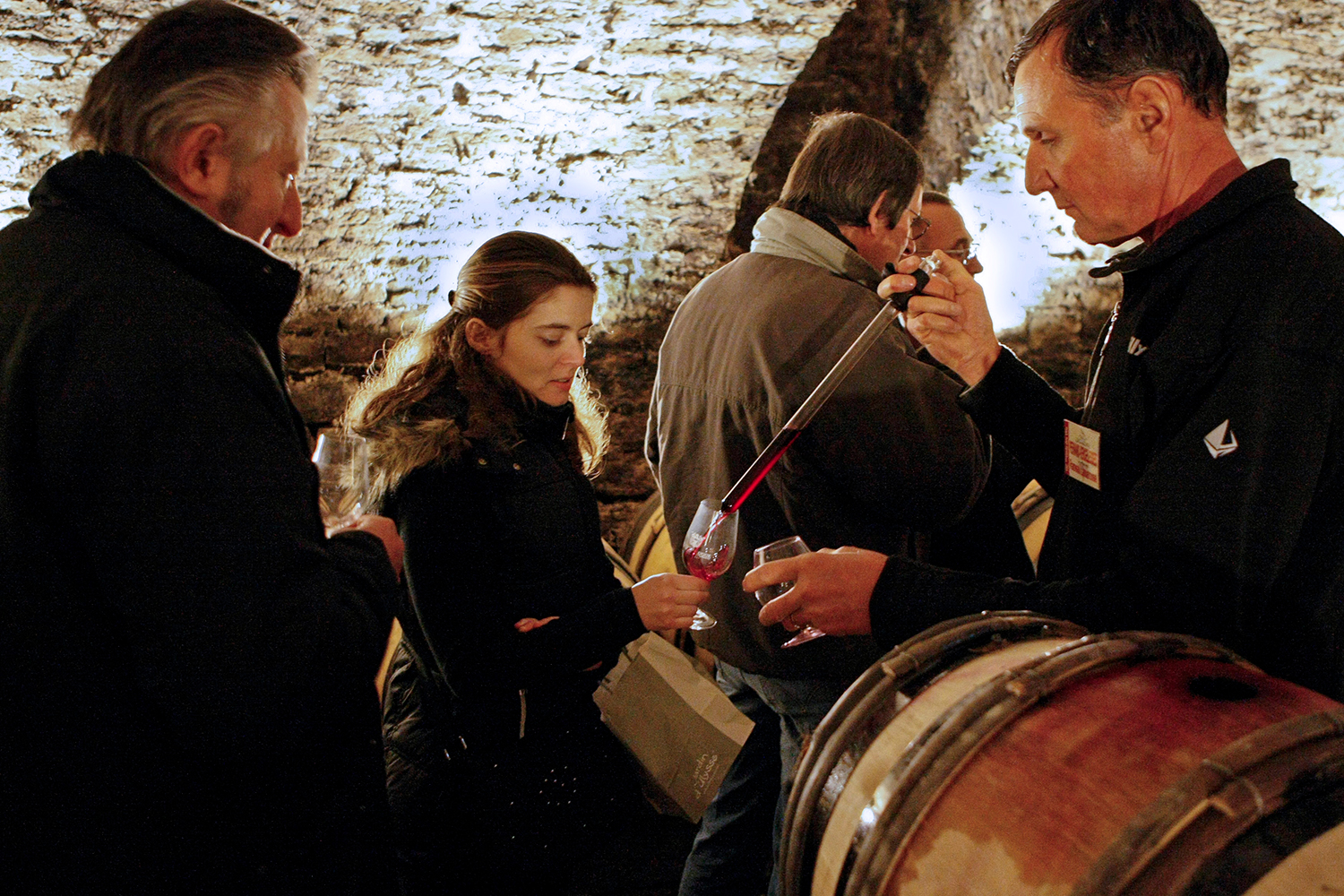

For 125 years, the MICHELIN Guide has celebrated places and talents that embody excellence in gastronomy and hospitality, with the MICHELIN Stars introduced in 1926 and the MICHELIN Keys launched in 2024.
This expertise now naturally extends to wine, a key reference in the gastronomic experience. The MICHELIN Guide has long highlighted exceptional wine lists and sommeliers, notably through the 'wine' pictogram created in 2004 to distinguish outstanding food and wine pairings.
In 2019, the MICHELIN Sommelier Award was introduced to honor professionals whose expertise enhances the guest experience through exemplary mastery of wine selection and service.
The MICHELIN Grape, MICHELIN Guide’s new distinction, will now spotlight wine estates across different regions of the world. It will assess their overall excellence based on five universal criteria applied consistently.
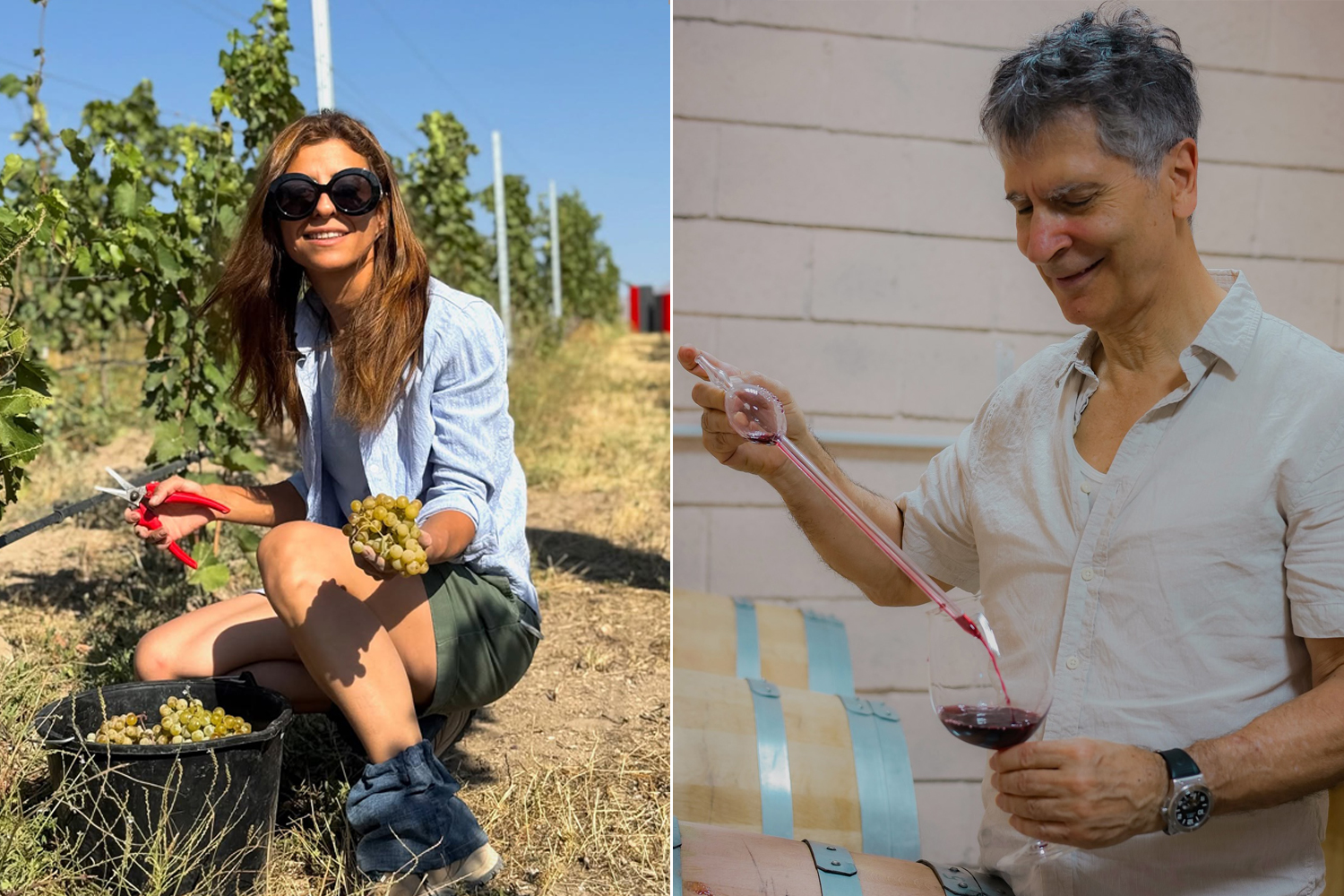
In the world of wine, the MICHELIN Guide rewards not only the vineyards but also, above all, the men and women who personify them. With this new distinction, the Guide intends to showcase unique situations and know-how transmitted through generations, but also innovative techniques and contemporary practices, using a strict and independent methodology.
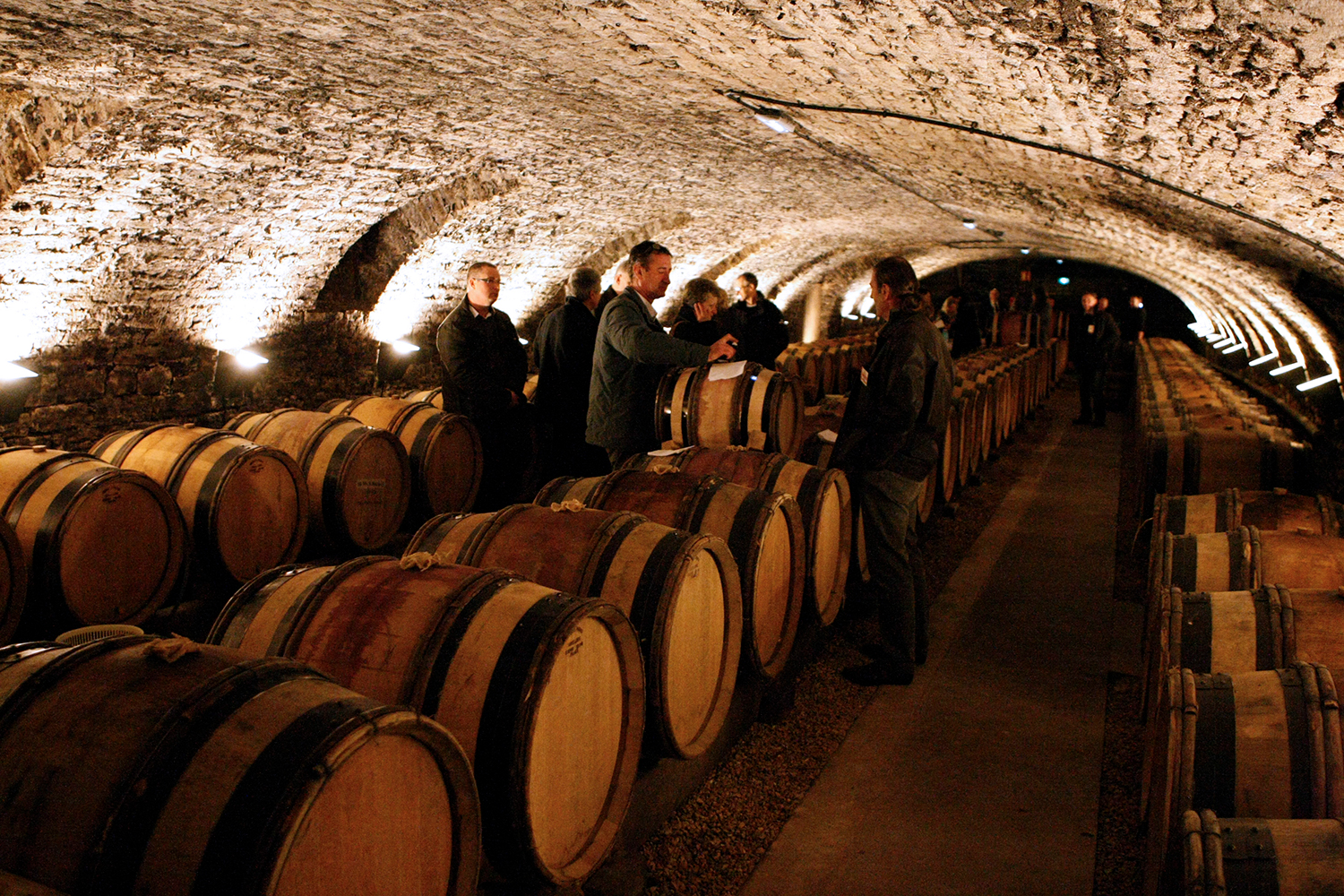
Image by: REUTERS
The MICHELIN Guide now provides wine-lovers with a trusted benchmark: Grapes 1, 2 or 3 and, additionally, a selection of recommended vineyards.
Three grapes
Exceptional producers. Whatever the vintage, wine lovers can turn to the estate’s creations with complete confidence.
Two grapes
Excellent producers who stand out as exceptional within their peer group and region for both quality and consistency.
One grape
Very good producers who craft wines of character and style, especially in the best vintages.
Selected
Dependable producers who have been chosen for regular review, producing well-made wines that deliver an quality experience.
A methodology based on 5 criteria
For its new distinction, true to its fundamental values of excellence and independence, the MICHELIN Guide applies five criteria uniformly and wherever it may be.
The quality of agronomy
The assessment evaluates the vitality of the soil, the balance of the vine stocks as well as the care provided for the vines. All essential factors that directly influence wine quality.
Technical mastery
The evaluation focuses on the technical skills in the wine-making process. Our inspectors are seeking precise and rigorous wine-making processes producing well-developed wines which reflect the terroir and the vine types, without any distracting flaws.
Identity
The Guide will highlight winemakers who craft wines that express the personality, the sense of place, and the culture behind them.
Balance
Evaluation of the harmony between acidity, tannins, oak, alcohol, and sweetness.
Consistency
Wines will be evaluated across multiple vintages to ensure unwavering consistency in quality, even in the most challenging years. The Guide celebrates wines that reveal greater depth and excellence as time goes by.
Expertise at the heart of the assessments
Future selections will rely on the expertise of dedicated wine inspectors, all professionals employed by the Michelin Group. This team, which makes its recommendations collectively and with complete independence, will bring together seasoned wine specialists and newly recruited inspectors.
All team members have been selected not only based on their qualifications, but also on their ability to assess a vineyard with rigor and integrity. They are all seasoned professionals in the sector - former sommeliers, specialized critics or production experts - and bring concrete and in-depth experience of the wine-producing world to the team.
Their assessments follow a rigorous methodology including a panel review process and editorial supervision.
In 2026, the MICHELIN Grapes adventure will be writing its initial chapter in the heart of two mythical French wine-producing areas: Burgundy and the Bordeaux region





Comments
Dear visitors, You can place your opinion on the material using your Facebook account. Please, be polite and follow our simple rules: you are not allowed to make off - topic comments, place advertisements, use abusive and filthy language. The editorial staff reserves the right to moderate and delete comments in case of breach of the rules.